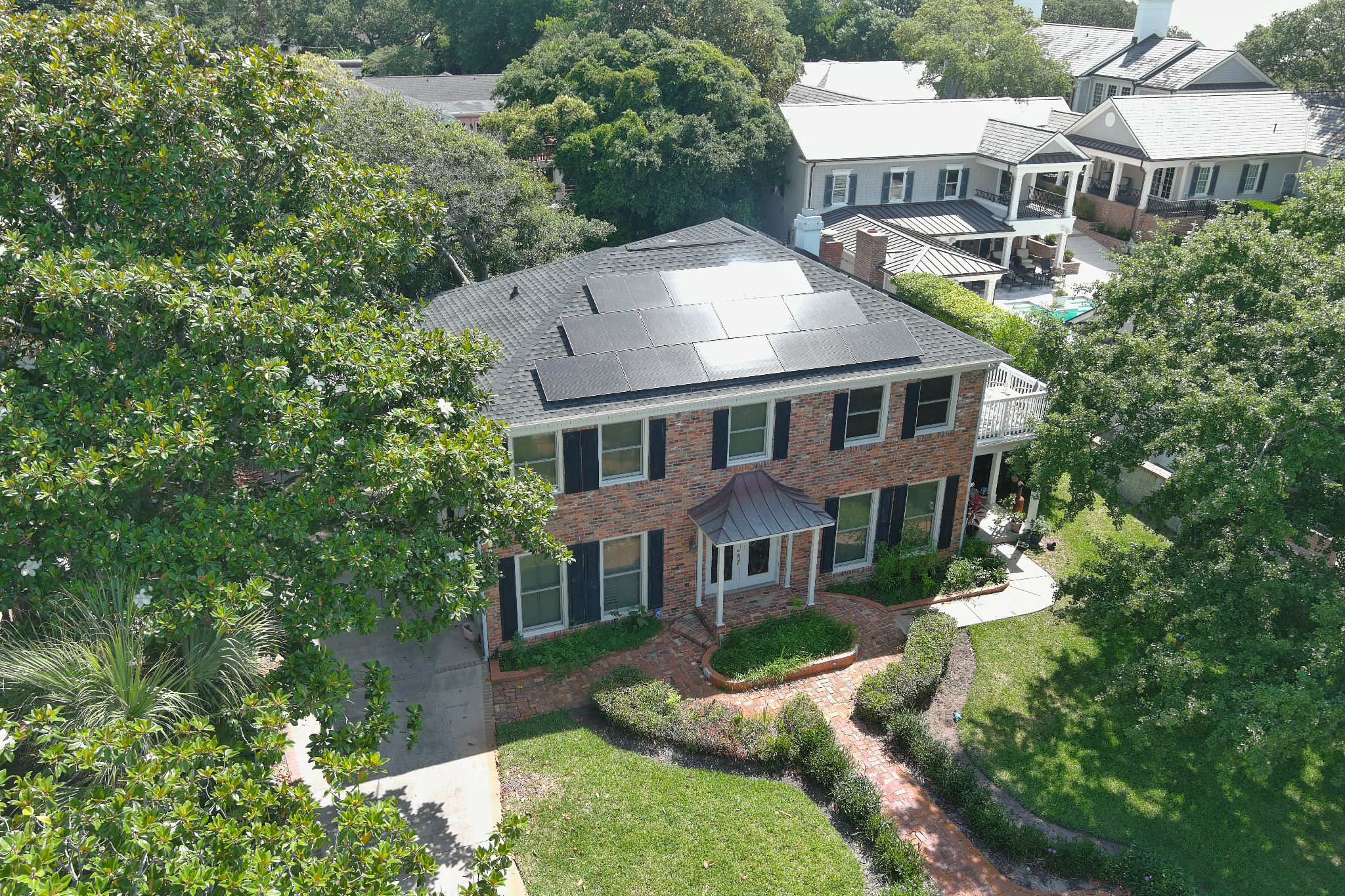
Solar can be a smart investment, but every home is different, and a good fit depends on far more than wanting a lower electric bill. Roof condition, sun exposure, energy usage, future electrical needs, and backup power goals all play a part. For homeowners in North Carolina and South Carolina, local weather, utility usage, roof layout, and long-term home plans should all be part of the conversation.
At Cape Fear Energy Systems, we help homeowners figure out whether solar makes sense for their home, their goals, and their future energy needs. A good starting point is to explore solar systems designed around your home's energy use, roof layout, and long-term goals. Here are five things that matter most.
1. Your Roof Gets Enough Sunlight
This one sounds obvious, but it carries a lot of weight: solar panels need sunlight to produce power. A home is a stronger fit when the roof gets steady sun throughout the day. Shade from trees, nearby buildings, chimneys, or roof features can cut into production, and the roof's direction and layout matter too.
A professional solar assessment is the best way to learn how much usable sunlight your home actually receives, so it is worth avoiding guesses based on how the roof looks from the ground. Google's Project Sunroof is one tool you can use to get a feel for a roof's solar potential, and you can even see how towns like Wilmington, NC compare on solar potential and statistics. A custom review still matters, but it is a helpful first look.
2. Your Roof is in Good Condition
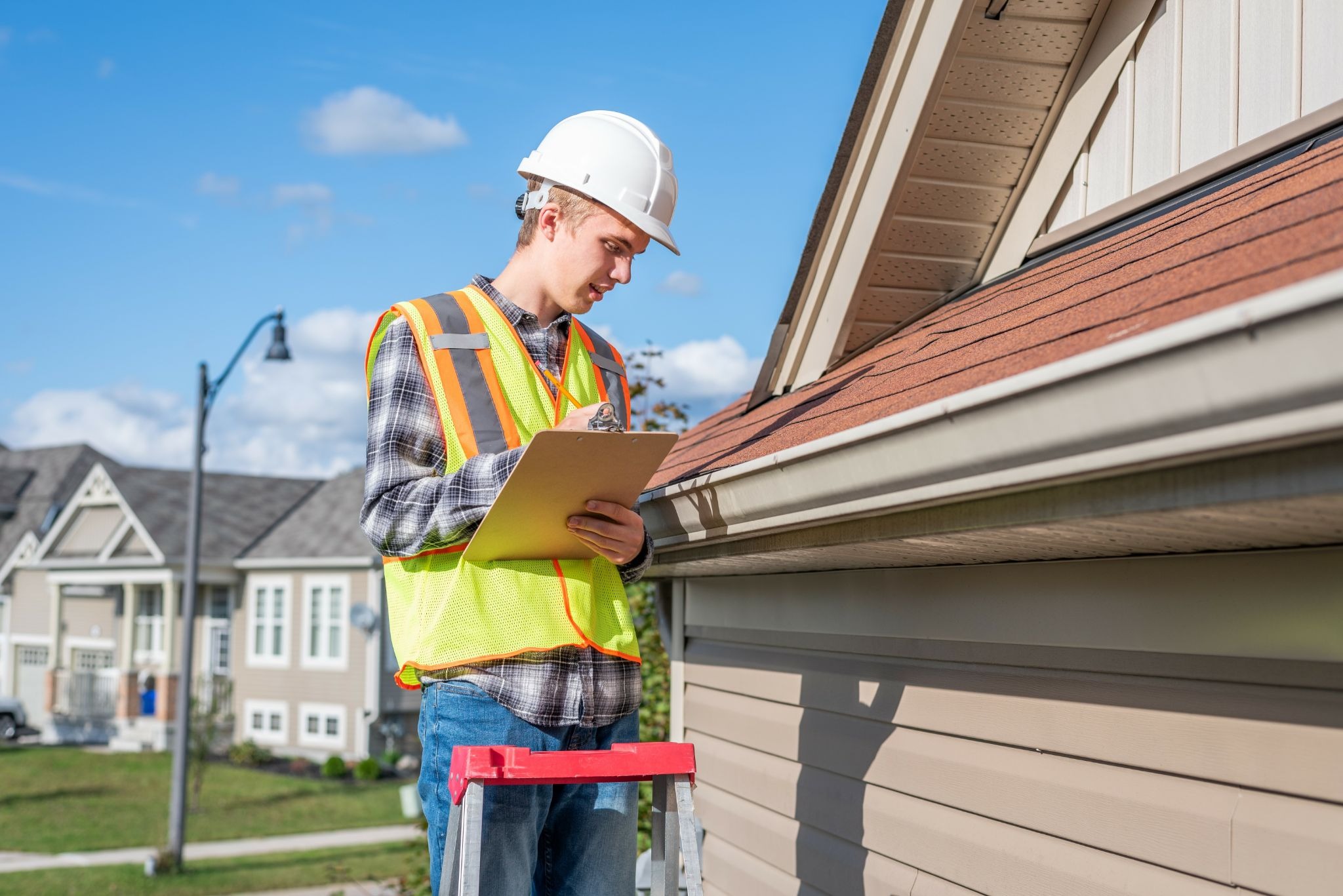
Solar panels are a long-term upgrade, which means the roof underneath them needs to be ready for the long haul. If your roof is older or due for repair soon, it is usually smart to handle that before installing solar rather than after. Important roof factors include:
- Age
- Condition
- Available space
- Roof material
- Slope and orientation
- Shading
A strong solar plan looks at both your energy goals and the structure of your home. North Carolina's solar consumer guide recommends reviewing roof space, roof condition, and structural suitability before going solar.
We help homeowners plan solar around their home, location, and long-term energy needs.
3. Your Electric Bills Are High Enough to Make Solar Worth Considering
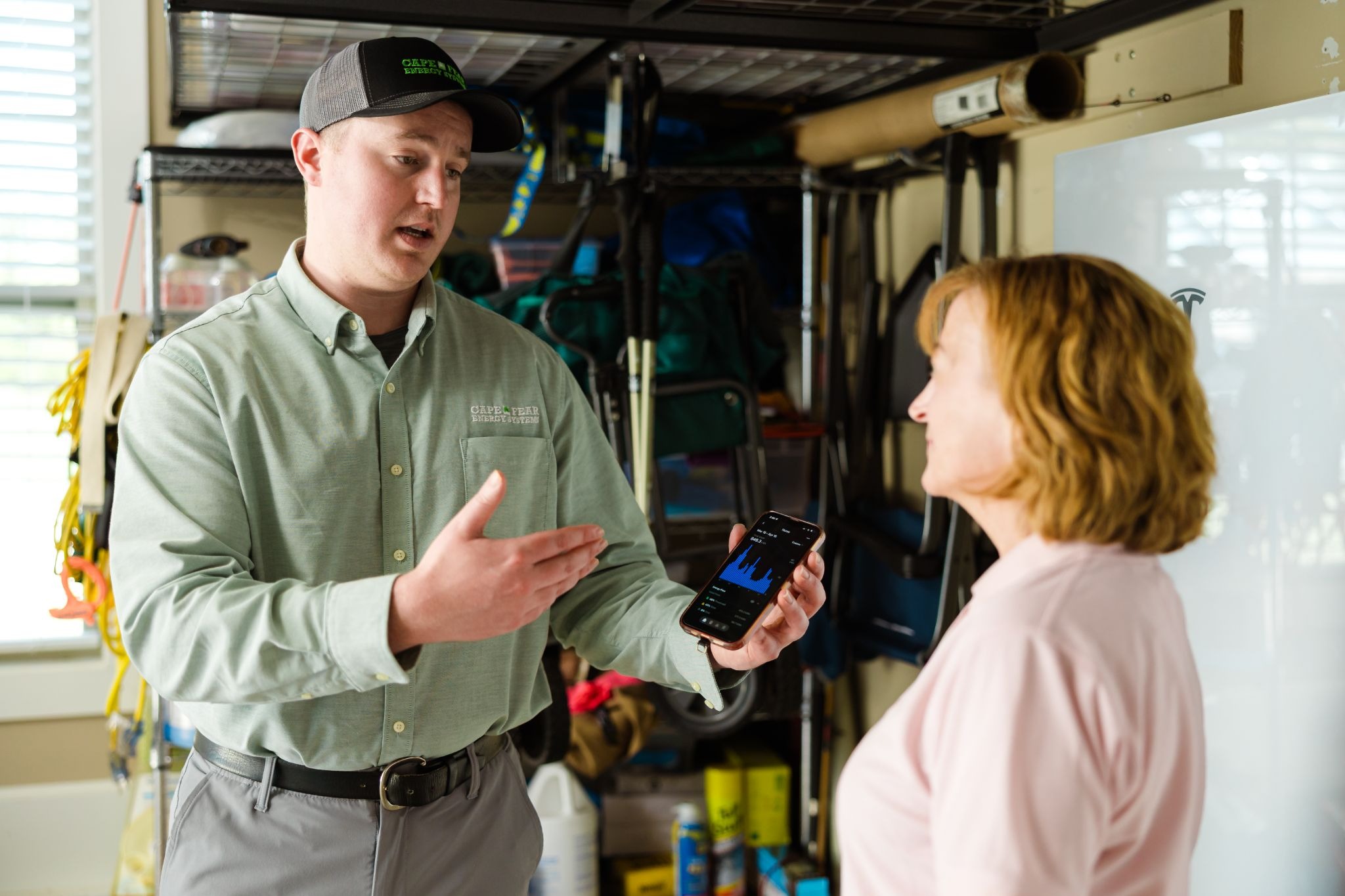
Solar tends to be most appealing for homeowners who want more control over their monthly energy costs. If your home uses a lot of electricity, solar may offset a meaningful portion of that usage. High usage often comes from:
- HVAC demand
- Larger homes
- Pools or hot tubs
- Home offices
- EV charging
- Growing families
- Older appliances
The takeaway is that solar is not only about the roof. It is just as much about how your home uses energy. ENERGY STAR notes that homeowners should understand their electricity consumption and rates when deciding how much solar energy to generate.
Because HVAC is such a big driver of usage, our HVAC solutions can help you better understand comfort, efficiency, and where your energy is going.
4. You Are Planning for Future Energy Needs
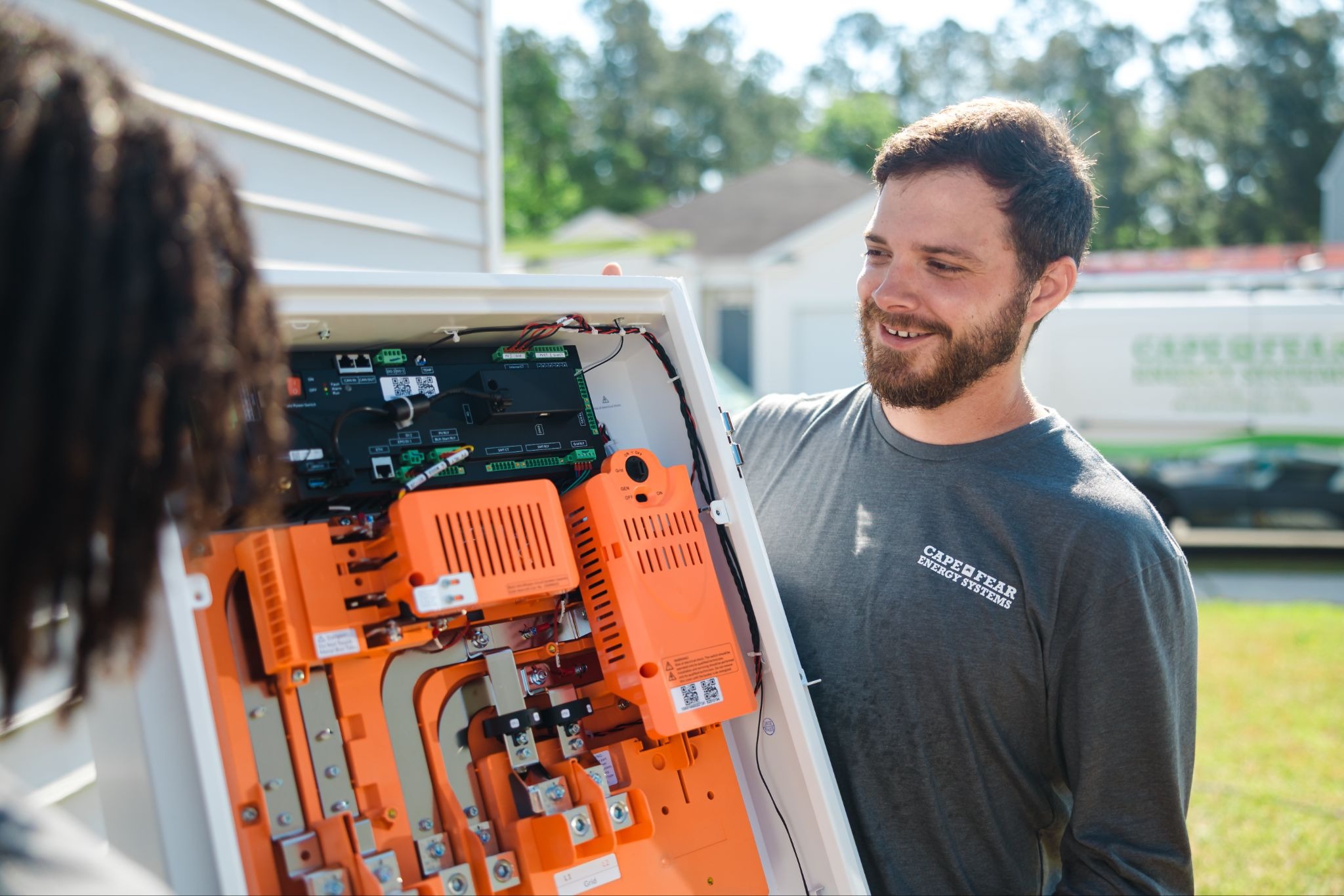
A home that fits solar well today may have very different needs tomorrow, so it pays to think ahead before installing. Future loads to consider include:
- EV charging
- Battery storage
- HVAC upgrades
- Home additions
- Pool equipment
- Smart home technology
Planning for these early helps you avoid undersizing a solar system or paying for additional work later. That foresight is especially valuable for new homeowners, growing families, or anyone planning to electrify more of the home over time.
We install EV charging solutions designed to fit into a smarter home energy plan, and our future-ready electrical planning can support solar, EV charging, battery backup, HVAC, and other modern home energy needs.
5. You Want More Control During Outages
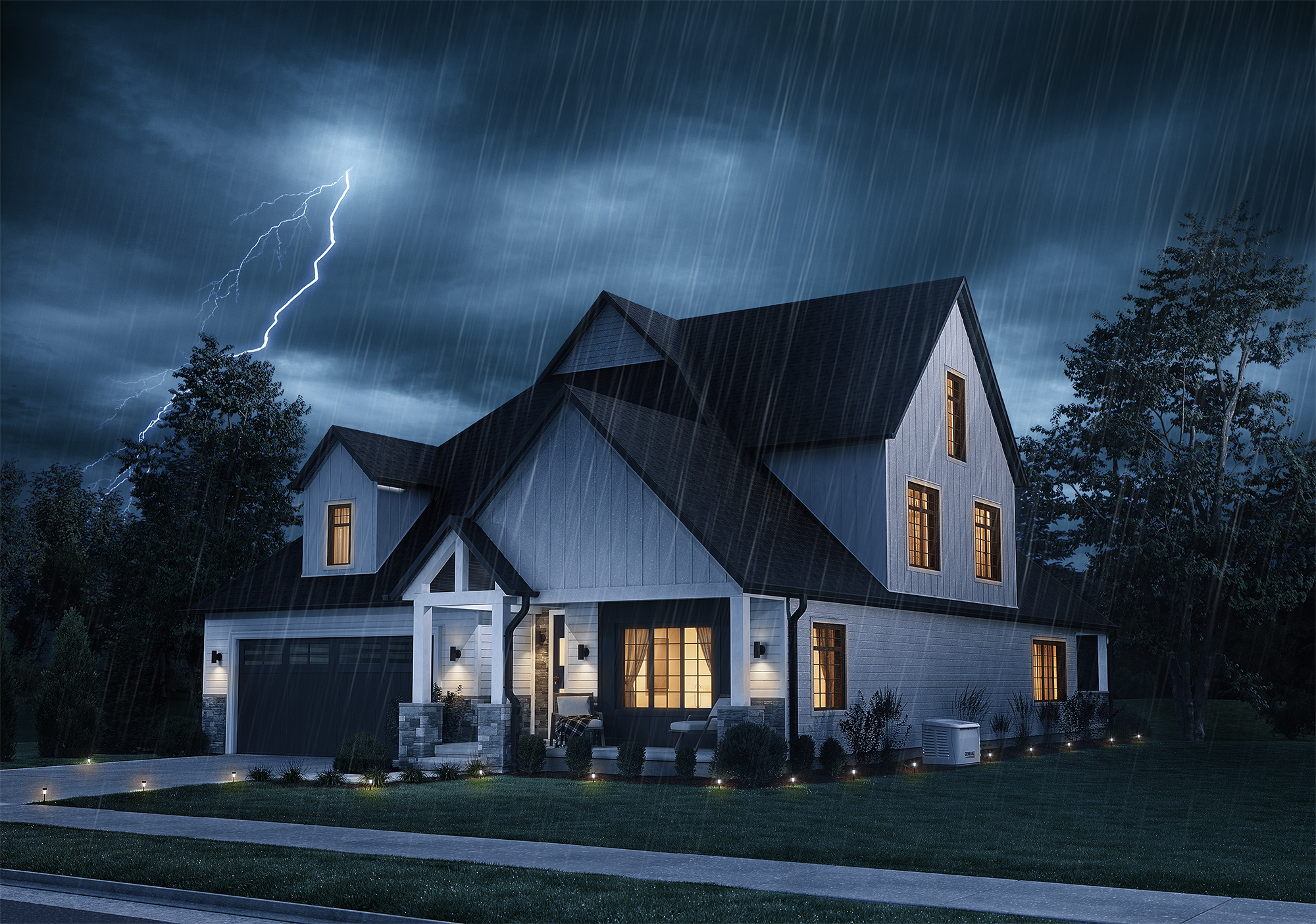
Solar becomes part of a stronger home energy plan when it is paired with battery storage, because energy independence is not only about producing power. It is also about protecting your daily routines when the grid goes down. In the Carolinas, storms, wind, heavy rain, and tropical weather all create real outage concerns.
Depending on system design, solar paired with battery storage may support selected loads during an outage. A standby generator may be the better choice if you want longer runtime or broader coverage across the home. The Department of Energy explains how solar paired with energy storage can support power during outages when it is designed around household needs.
Explore battery backup options for quieter, automatic outage protection or standby generator options that keep your home powered.
The Best Solar Fit Starts With the Home
A home may be a strong fit for residential solar panels when it has good sun exposure, a reliable roof, meaningful energy use, future electrical needs, and a genuine desire for more energy control. Solar is not a one-size-fits-all upgrade, and that is a good thing. The best system depends on your home's structure, energy habits, location, and long-term goals.
For homeowners across North Carolina and South Carolina, including here in the Wilmington area, Cape Fear Energy Systems can review the full picture before making any recommendation.
Wondering if your home is ready for solar panels? We can review your roof, energy use, backup power goals, EV charging plans, and long-term needs to help you decide what makes sense. Request a quote online to start planning a smarter energy system for your home.