Heating and cooling is often one of the biggest energy users in a home. So when an HVAC system starts wasting energy, you tend to feel it: higher bills, uneven comfort, or a system that seems to run nonstop. In North Carolina and South Carolina, where heat, humidity, and long cooling seasons are the norm, HVAC efficiency carries even more weight.
The signs are not always obvious at first, but small issues have a way of growing into bigger comfort and energy problems over time. At Cape Fear Energy Systems, we look at HVAC performance as part of the bigger home energy picture, alongside solar, battery storage, generators, EV charging, and whole-home wiring. We offer HVAC solutions designed for smarter performance, improved comfort, and lower energy waste.
Your Energy Bills Keep Climbing
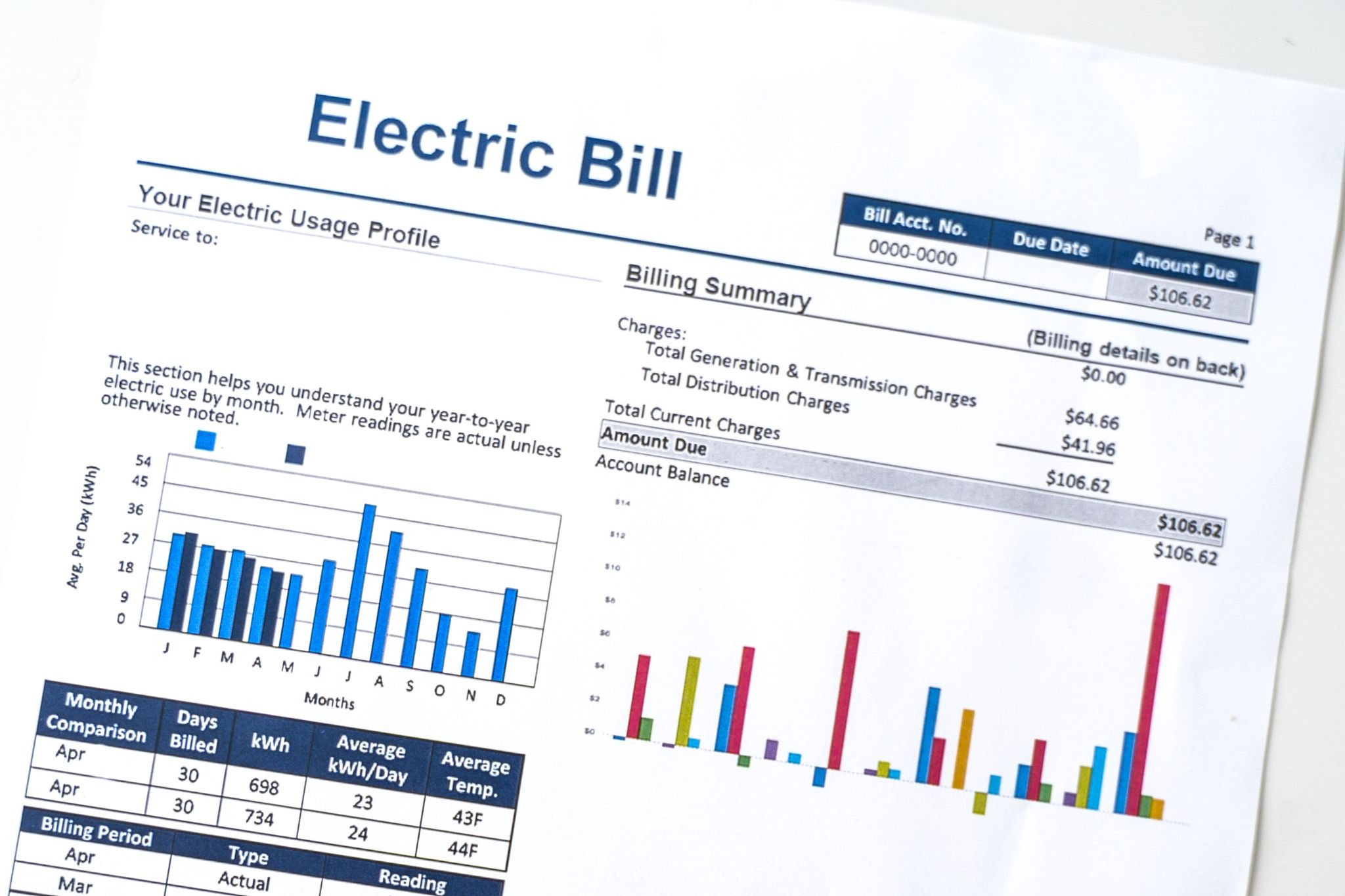
A rising energy bill is one of the first signs that an HVAC system may be working harder than it should. Some increases are perfectly normal during very hot or very cold stretches. But if your bills keep climbing without any real change in household habits, the system may be using more energy than it needs to.
A few common culprits behind high energy bills from HVAC include:
- Aging equipment
- Dirty filters
- Weak airflow
- Leaky ductwork
- Poor humidity control
- Incorrect system sizing
ENERGY STAR notes that heating and cooling usually make up a large portion of home energy use, which is exactly why HVAC performance has such a big impact on your monthly bills.
The System Runs Constantly
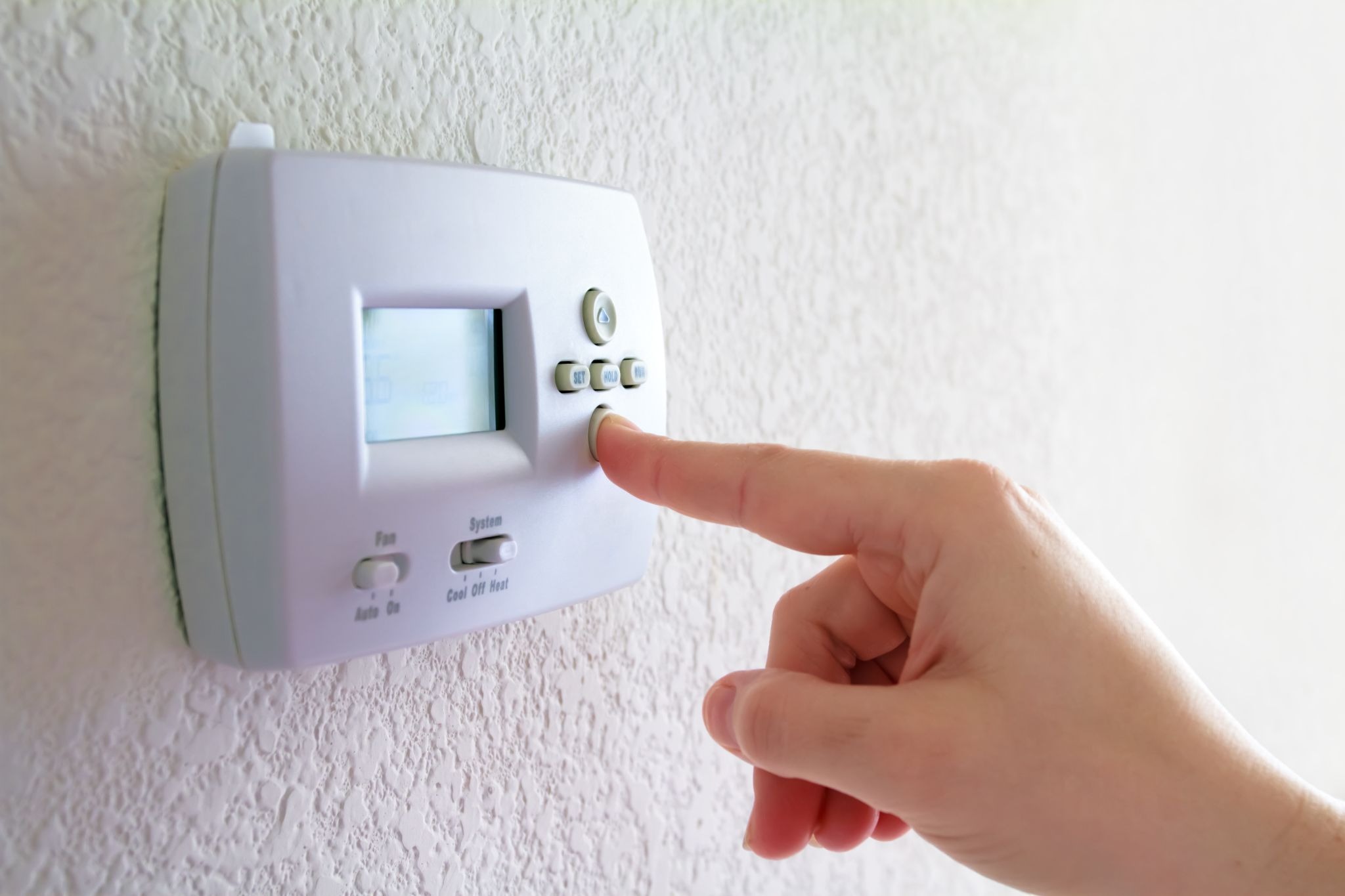
A healthy HVAC system should cycle on and off throughout the day. If yours runs constantly, it may be struggling to reach or hold the temperature you set. When an HVAC system is running constantly, the cause is often one of these:
- Dirty coils or filters
- Low refrigerant
- Duct leaks
- Poor insulation
- Incorrect system size
- Aging equipment
Nonstop operation does two things you do not want: it wastes energy, and it can shorten the life of the system. In the Carolinas, this gets especially noticeable during long stretches of heat and humidity, when the system rarely gets a break.
Some Rooms Feel Too Hot or Too Cold
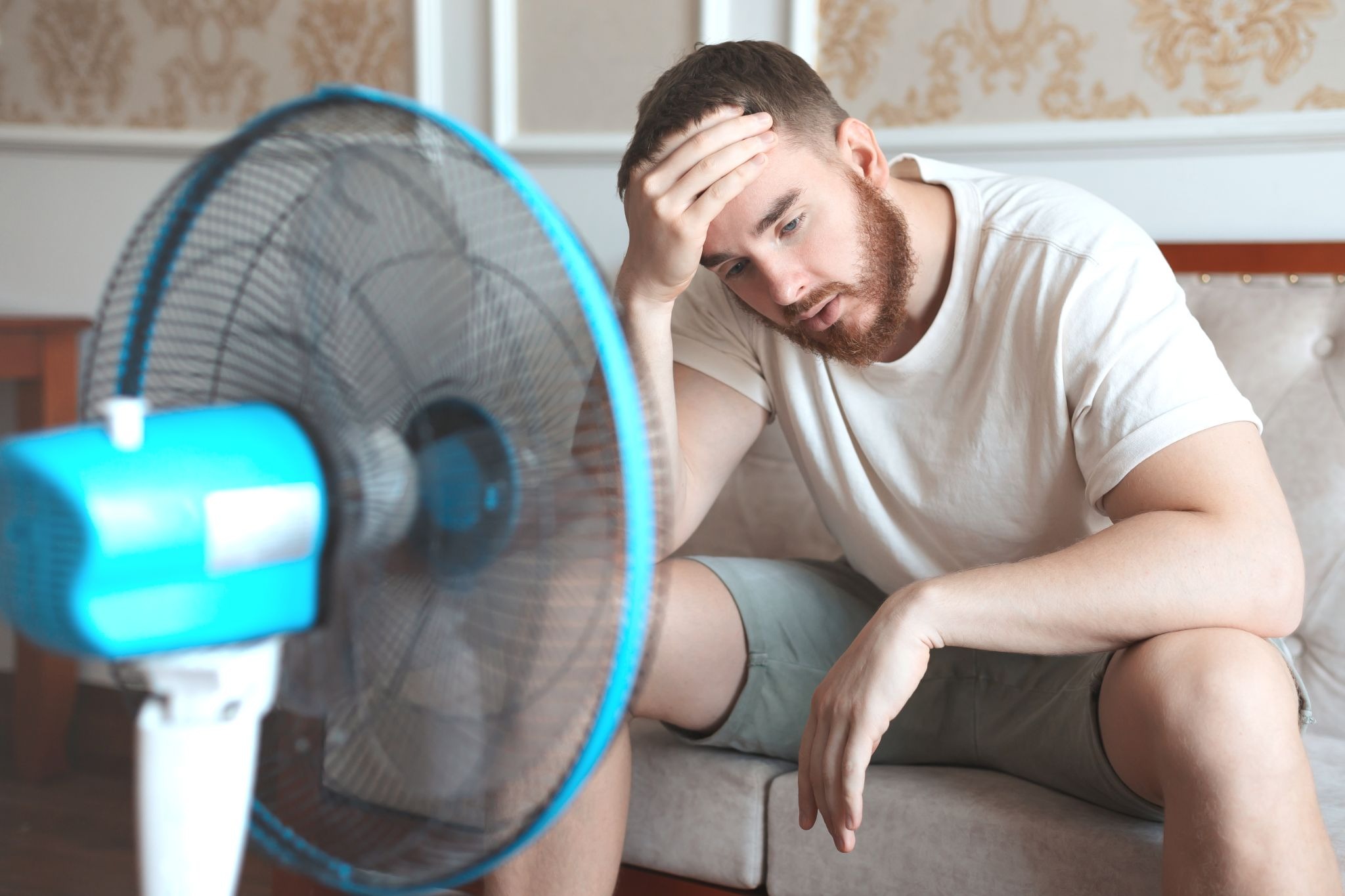
Uneven room temperatures are a classic sign that the HVAC system is not distributing air efficiently. You might notice bedrooms that stay warm, bonus rooms that never cool properly, one floor feeling different from another, or weak airflow from certain vents.
The usual causes are duct issues, poor insulation, blocked vents, aging equipment, or a system that simply is not matched to the home's layout. This is one reason it helps to plan the whole home together. Future-ready home planning can support HVAC, solar, EV charging, battery backup, and other modern energy needs all at once.
Humidity Feels High Indoors
In the Carolinas, humidity plays an outsized role in home comfort. A house can feel warm or sticky even when the thermostat insists the temperature is low. When the HVAC system is not pulling humidity out of the air well, the natural reaction is to keep dropping the thermostat to feel more comfortable.
The problem is that this drives up energy use without fixing the real issue. The Department of Energy explains why humidity control matters so much in hot, humid climates, and reinforces that air conditioners need to manage both temperature and humidity to keep a home comfortable.
Your System Short Cycles or Struggles to Keep Up
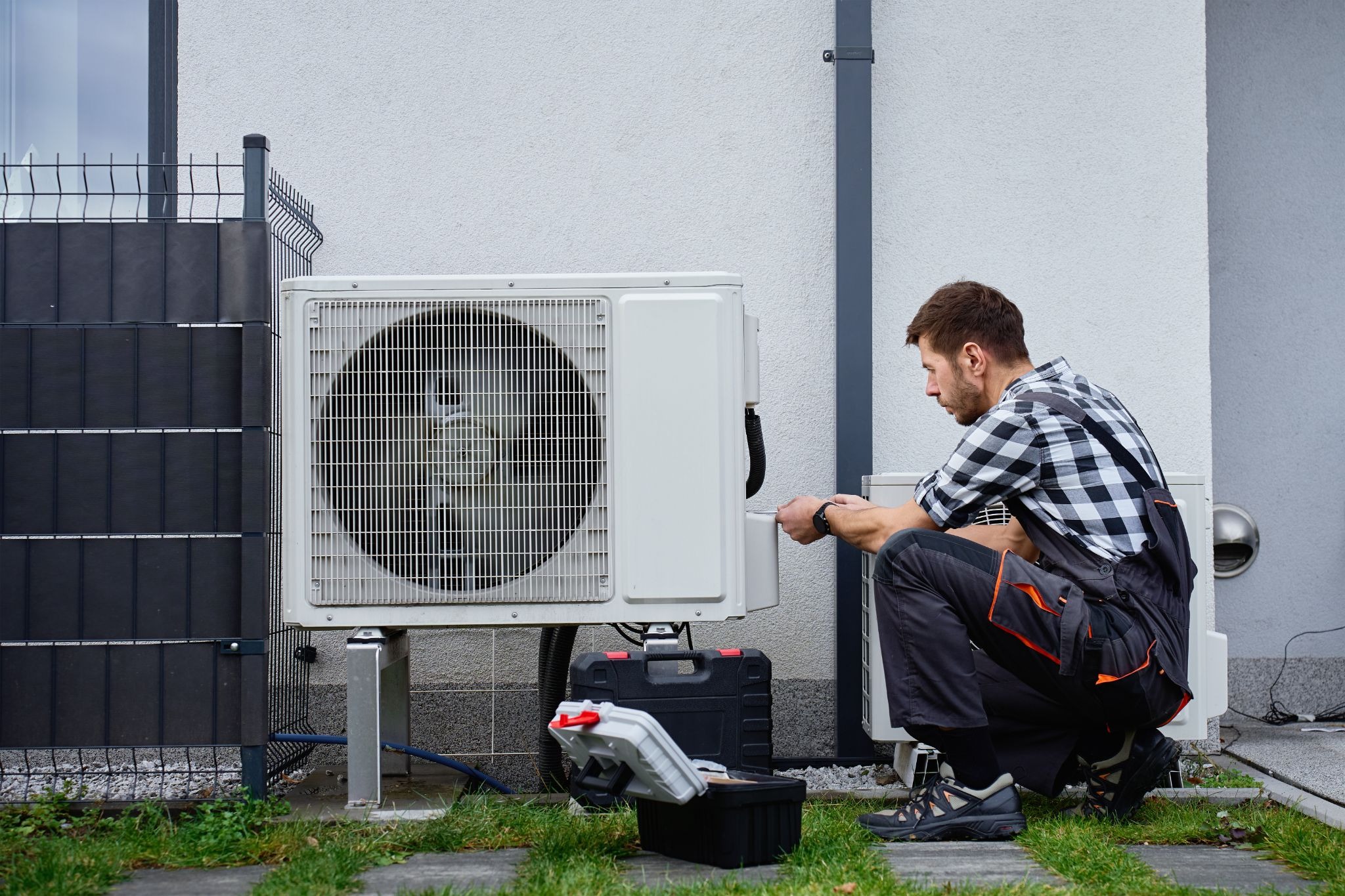
Short cycling is when the HVAC system turns on and off too frequently. It wastes energy, makes the home harder to keep comfortable, and often points to a deeper issue, such as:
- Oversized or undersized equipment
- Thermostat problems
- Dirty filters
- Refrigerant issues
- Electrical or control problems
A system that struggles to keep up during normal summer weather usually needs professional attention. The goal is not to guess at the cause, but to evaluate how the system is actually performing. We design integrated home energy systems around comfort, efficiency, and long-term reliability, so the HVAC fix fits the rest of your home.
Your HVAC System is Working Against the Rest of Your Energy Plan
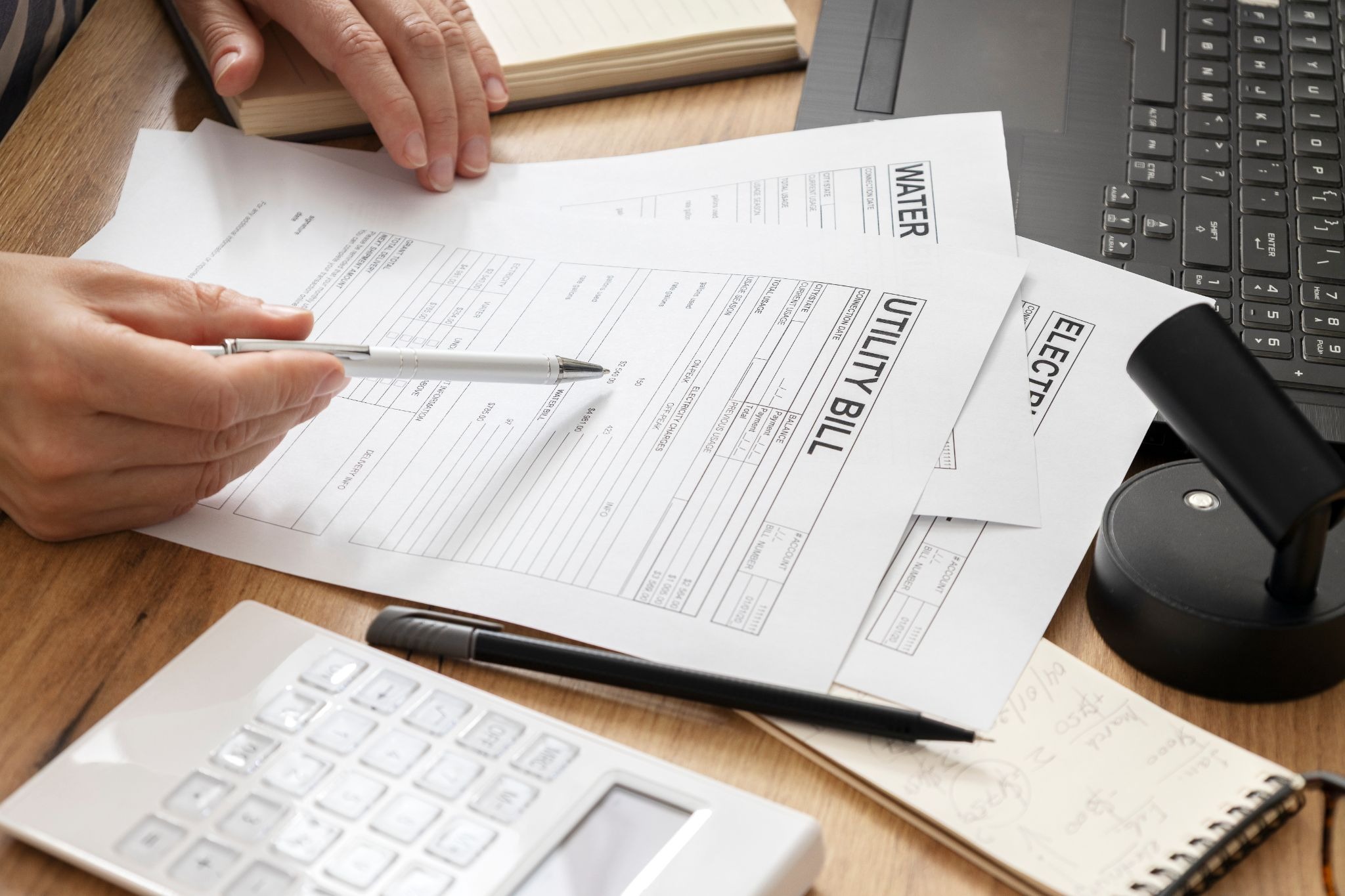
HVAC performance affects far more than comfort. A system that wastes energy changes how much solar your home needs, how your backup power should be sized, and how your overall monthly energy use looks. In other words, home energy waste in one area ripples through the whole plan.
That is why HVAC deserves a seat at the table if you are also considering:
- Solar panels
- Battery storage
- Generator backup
- EV charging
- Electrical upgrades
When you understand your true energy use, the rest of the plan gets sharper. You can explore solar systems designed around your home's energy use, roof layout, and long-term goals, as well as battery backup options that support selected home loads during outages.
A More Efficient HVAC System Supports the Whole Home
HVAC energy waste can show up as high bills, constant run times, uneven rooms, sticky humidity, or a system that just cannot keep up. These are not only comfort headaches. They affect your entire home energy plan and how accurately it can be designed.
For homeowners across North Carolina and South Carolina, including right here around Wilmington, improving HVAC performance means lower energy waste, better comfort, and smarter long-term planning. When the HVAC runs well, your solar, backup power, EV charging, and whole-home energy systems can all be sized with much more confidence.
Think your HVAC system may be wasting energy? Cape Fear Energy Systems can evaluate your home comfort needs and help you plan smarter HVAC, solar, battery backup, generator, EV charging, and whole-home energy solutions for your home in North Carolina or South Carolina. Request a quote online to get started.