Getting multiple solar quotes is the right move. But comparing them is not always as simple as lining up prices.
Two systems can look similar on paper and perform very differently over time. The biggest differences are often hidden in system design, projected production, and what the installer actually includes. Understanding what to look for helps homeowners choose a system that makes sense long after installation.
Quick Answer: What Do Homeowners Get Wrong When Comparing Solar Quotes?
The biggest mistakes homeowners make when comparing solar quotes are:
- Focusing only on price
- Comparing panel count instead of energy production
- Sizing only for current energy usage
- Overlooking equipment and technology differences
- Not understanding the full scope of installation
A quote should help you compare long-term value, not just the lowest upfront number.
Mistake #1: Focusing Only on Price Per System
The cheapest quote is not always the best value.
Solar systems vary in equipment quality, system design, warranty coverage, and installation scope. Lower-cost systems may produce less energy, include lower-tier components, leave out electrical work or upgrade needs, and deliver lower long-term savings
Solar is a long-term home investment, not a short-term purchase. That is why homeowners should look deeper than the total price on page one. ENERGY STAR recommends asking questions about work quality and financial benefit as you review solar quotes.

Mistake #2: Comparing Panel Count Instead of Energy Production
Many homeowners compare systems by the number of panels. What matters more is the estimated annual energy production in kWh.
System size does not equal panel count. Panels have different production outputs, and a system with fewer panels may still perform better if the equipment, roof layout, and design are stronger. Production estimates matter because they show how much of your home’s usage the system is expected to offset.
A lower-priced system may not save as much if it is undersized or designed around weak assumptions. The U.S. Department of Energy notes that homeowners should understand their total electricity usage before choosing solar, and they also state the importance of comparison shopping by asking multiple installers to assess your roof.
Mistake #3: Not Accounting for Future Energy Needs
Many solar quotes are based only on current utility usage. But energy needs often grow over time because of factors like EV adoption, home additions, pool equipment, heat pumps, HVAC changes, or new appliances.
One of the most common mistakes is sizing only for today. Adding panels later is possible, but it is often more expensive and less efficient than planning from the start. That is why it helps to see how solar systems are designed for long-term performance and savings.
If an EV is part of your future plans, it also makes sense to learn how pairing your EV with solar panels can keep transportation clean, affordable, and reliable.
Mistake #4: Overlooking Equipment and Technology Differences
Not all solar systems use the same technology.
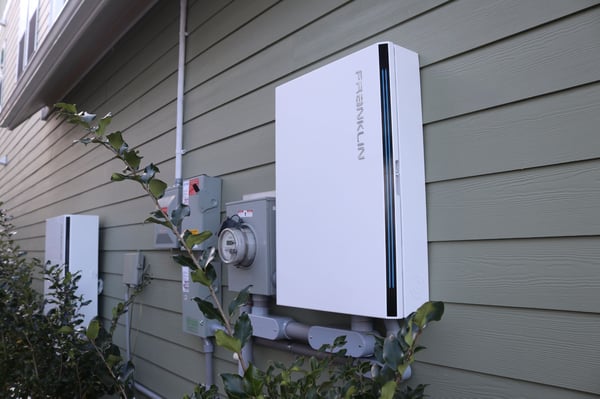
Key differences include the panel efficiency, inverter type, monitoring capabilities, smart load management, and compatibility with EV charging or battery storage.
Some systems include real-time monitoring, smart scheduling, better visibility into production and usage, and stronger integration with future energy upgrades. Others are more limited.
Without the right controls, a system may rely more on grid electricity than a homeowner expects. If you want to understand how a more connected setup works, you can see how Cape Fear Energy builds integrated energy systems designed for resilience, efficiency, and measurable savings. Homeowners thinking beyond solar alone may also want to explore EV charging solutions that pair with solar power for energy independence.
Mistake #5: Not Understanding the Full Scope of Installation
Solar quotes can vary a lot in what is actually included.
Differences may involve electrical upgrades, permits and inspections, monitoring setup, panel layout and design work, and coordination with future battery or EV plans.
Some quotes seem lower because they leave out important work that shows up later as added cost. Installation quality and planning matter just as much as the equipment itself. Poor planning around electrical capacity is one of the easiest ways for a “cheap” quote to become a more expensive project later.
For homeowners trying to better understand the full process, it helps to see what to expect from permitting, installation timelines, and solar planning in North Carolina. South Carolina is similar, but has its own permitting and planning decisions.

What a Good Solar Quote Should Clearly Show
A strong solar quote should clearly show:
- Estimated annual production in kWh
- Equipment details, including panels and inverter type
- Warranty coverage
- Total installed cost
- What is included in installation
- Any known electrical upgrade needs
- Long-term performance expectations
The goal is clarity, not just a low number.
How Cape Fear Energy Systems Helps You Compare the Right Way
Cape Fear Energy Systems helps homeowners compare quotes by breaking down what each proposal actually includes.
That means designing systems based on current energy use, future energy goals, roof layout, site conditions, and long-term performance.
The focus is on building the right system, not just the lowest upfront number. Cape Fear also helps homeowners understand how solar, EV charging, and backup options may fit together over time.
The Best Quote Isn’t Always the Cheapest One
Solar quotes can look similar while leading to very different results. The right system is not just about price. It is about production, planning, equipment quality, Installation scope, and the overall long-term fit for the home.
Avoiding a few common comparison mistakes can make a major difference in long-term value.
Comparing solar quotes and not sure what actually matters? Cape Fear Energy Systems can walk you through your options and help you choose a system designed for long-term performance. Get a solar estimate and expert guidance for your home.