
A year after moving into your brand-new house, you buy an electric car. The electrician comes out to install a charger in the garage, opens the panel, and says there's no room. Or a hurricane knocks the power out for three days, and the only place a generator can go means trenching through the landscaping you just paid for.
None of that is anyone's fault. A new home's electrical system is usually designed for the house as it stands on move-in day. The problem is that life after move-in tends to add things: an EV, solar panels, a backup system, a hot tub, a home office.
If you're building now, you have a window to avoid those headaches. Here's what tends to go wrong after move-in, what's worth planning while the walls are still open (including whether a smart electrical panel makes sense), and when to bring an energy team in alongside your builder. Cape Fear Energy Systems partners with custom builders to design and install future-ready electrical systems that support the full energy ecosystem.
Quick Answer: What Should You Plan for in a New Home's Electrical System?
Before the walls close, it's worth making sure your home has:
- Room to grow: enough electrical capacity and open breaker space for things you might add later
- A path to the roof: an empty pipe (called conduit) from the attic to the electrical panel, in case you go solar
- A plan for the garage: a circuit or conduit ready for an EV charger
- A spot for backup power: a planned location and connection for a battery or generator
- Protection from power surges, which can come with Carolina storms
You don't have to install everything now. The goal is to make every future addition simple.
The Headaches Homeowners Run Into After Move-In
These are some of the most common surprises in the first few years after a new home is finished:
- "There's no room in the panel." Adding an EV charger, a hot tub, or a battery means a panel change in a home that's barely broken in.
- "They had to open up the walls." Running new wire through finished drywall means patching, painting, and more cost.
- "The solar wiring runs down the outside of the house." Without a path planned inside, conduit may have to be mounted on the exterior.
- "We had nowhere to put a generator." After landscaping, hardscape, and fencing are in, backup power gets harder to place and connect.
- "We can't tell what's running up the bill." Without any way to see what's using power, high bills are a guessing game.
Every one of these is easier and less expensive to solve before the drywall goes up.
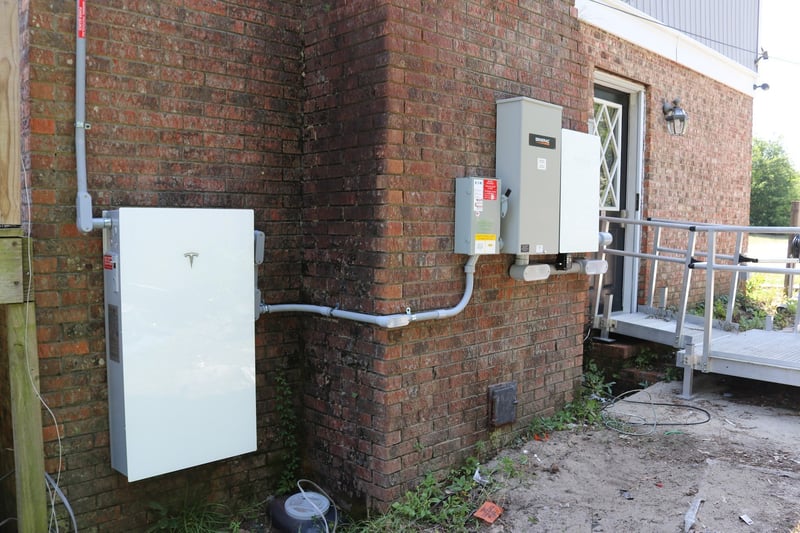
Why Planning Now Is So Much Easier
While the walls are open, running a wire or an empty pipe takes minutes. Once they're closed, the same job means cutting into finished walls, then patching and repainting them. As one solar professional told EnergySage, "It's less invasive and cheaper to have the wiring built in beforehand instead of setting it up when the home's all finished."
You also don't have to decide everything today. Maybe solar is five years out, or you're not sure about an EV. Planning a path for those things now keeps the option open without paying for the equipment until you're ready. Think of it as leaving the door unlocked for your future self.
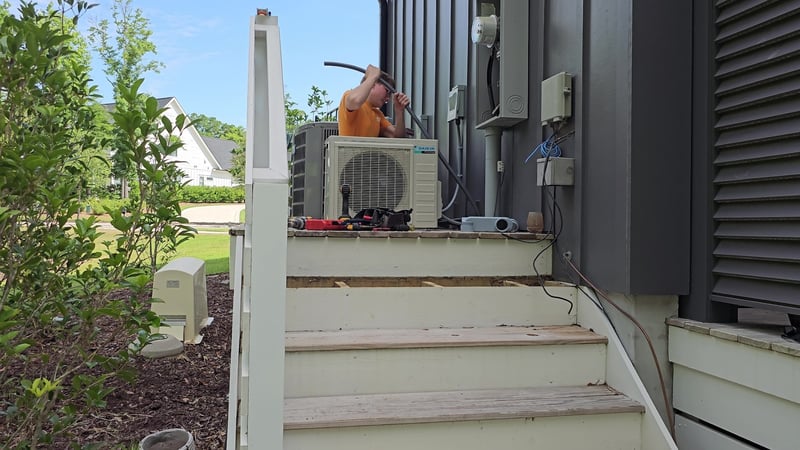
What to Plan Before the Walls Close
Here's a simple checklist to bring to your builder and energy team before the electrician starts:
| If you might want… | Plan this during construction | So that later… |
|---|---|---|
| An electric car | A circuit or empty pipe to the garage | Adding a charger is a quick install |
| Solar panels | An empty pipe from the attic to the panel | Solar connects without exterior conduit |
| Backup power | A spot and connection for a battery or generator | You're covered in the next storm without rework |
| More big appliances | Extra electrical capacity and breaker space | You avoid a panel change after move-in |
| Lower bills | A way to see energy use by circuit | You know exactly what's running up the bill |
| Storm protection | Whole-home surge protection at the panel | Electronics and appliances are better protected |
How much capacity is enough? ENERGY STAR notes that "Most newer homes are outfitted with a 200A breaker box, which is sufficient to accommodate the addition of new electric appliances." If you're planning several big additions, like solar, a battery, an EV, and a pool, it's worth talking through whether you need more.
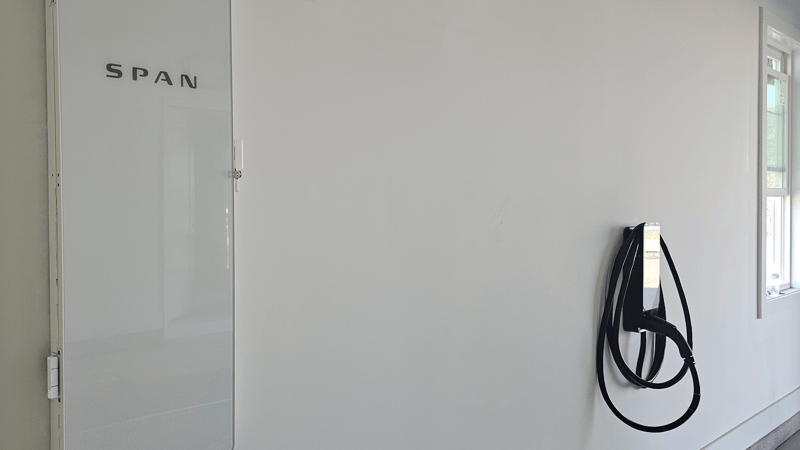
The good news is that none of this has to be figured out alone. Bring the list to your builder, and bring an energy team in early enough to get it into the plans.
Building soon?
Bring us in before the walls close, not after.
We work alongside custom builders to plan your home's wiring around what you'll want later, from EV charging and solar to backup power. A little planning now saves reopening walls down the road.
Get a Free EstimateSmart Electrical Panels: The Brain of a Future-Ready Home
A traditional panel distributes power. A smart electrical panel also lets you see and control it, circuit by circuit, from an app. That's useful every day for spotting energy waste, like a second refrigerator in the garage or a pool pump running longer than it needs to. It becomes even more useful once solar and a battery are in the picture.
Smart panels can also help a home do more with the service it has. The U.S. Department of Energy lists "smart panels or smart circuit breakers that control individual circuits to regulate a home's peak electricity demand" among the ways to manage higher electric loads. During an outage with battery backup, circuit-level control can help decide which loads stay on and which wait.
Not every home needs a smart panel. Circuit-level monitoring added to a standard panel gives many homeowners the visibility they want. Our team will help you decide which fits your home and goals.
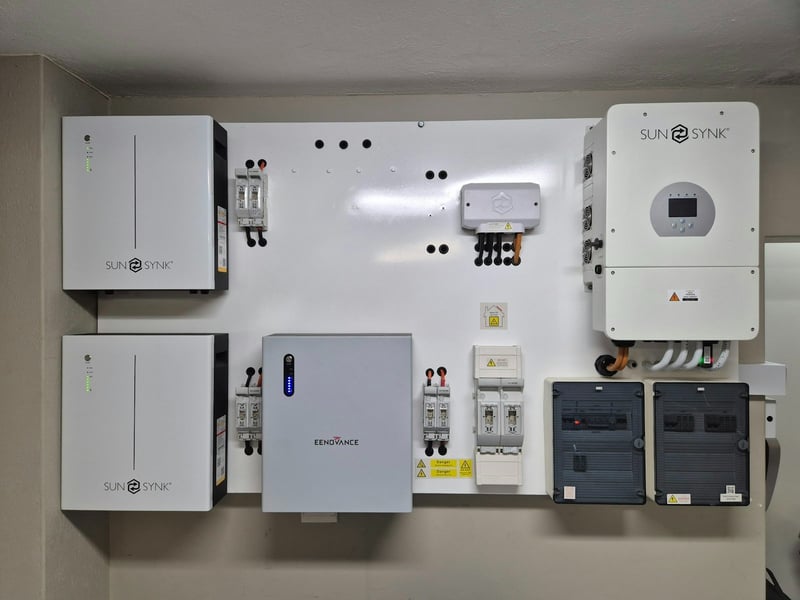
Built for the Carolina Coast
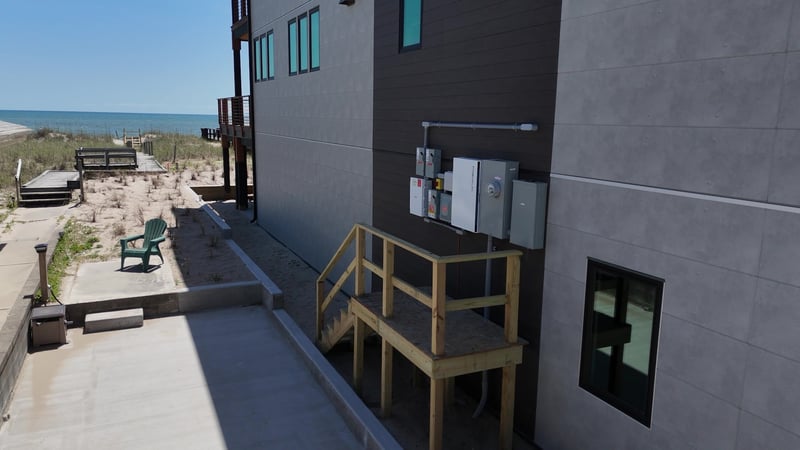
New homes near the coast should be wired with coastal conditions in mind. Outdoor equipment should be rated and placed to hold up to salt air and humidity. Hurricane season makes backup power planning a practical question, not a luxury, whether you're building in Wilmington, on the islands, or inland where storms still bring long outages.
Deciding where a battery or standby generator will go, and how it will connect, is much easier on a blueprint than after landscaping. The same goes for surge protection. Storms can send power surges through a home's wiring, and whole-home surge protection at the panel is a simple addition during construction.
When to Bring an Energy Team In
The earlier, the better. Here's how it usually lines up with your build:
- Design: roof layout, panel location, and garage plans are set with solar, EV, and backup in mind.
- Framing: conduit paths and equipment locations are confirmed on site.
- Rough-in: whole-home wiring, circuits, and future-ready runs go in while walls are open.
- Finish: the panel, monitoring, surge protection, and any systems you're installing now are set.
- Move-in and beyond: future additions connect to infrastructure that's already there.
Because our team is turnkey and in-house, the same people who plan the wiring can install the solar, battery, generator, and EV charger when you're ready. There's no hand-off between subcontractors. If an EV is in your future, planning a garage circuit now makes adding EV charging simple later.
For Builders: Offer Future-Ready Homes
Buyers increasingly ask about solar, batteries, and EV charging. We partner with custom builders across North and South Carolina to design and install energy-ready wiring, so you can offer it without adding a new trade to manage. On the solar side, we work with architects and builders to make sure the site is suited for solar energy.
Want to see what that looks like in practice? Here's how one local builder, Konrady & Sons Construction, partnered with us to build with the future in mind.
Build It Once. Build It Ready.
The electrical system is the one part of a new home that's hard to change after move-in. Plan it around the life you want in the home for years, and every upgrade after that gets easier. Bring us in while the plans are still on paper, and we'll help you build a home that's ready for whatever you add next.
Your local partner in energy independence since 2007
Plan a new home that's ready for everything you'll add.
Our turnkey, NABCEP-certified team designs whole-home wiring, smart panels, solar, batteries, generators, and EV charging for new homes across NC and SC. One team, one plan, no subcontractors.
Get a Free Estimate