What Is Energy Saver North Carolina?
Energy Saver NC is a statewide initiative to help qualifying North Carolina households reduce energy costs through income-based rebates and performance-driven home upgrades.
The program focuses on whole-home efficiency improvements designed to reduce energy waste and improve comfort. Eligible upgrades may include:
- Insulation improvements
- Air sealing
- High-efficiency HVAC systems
- Heat pump installations
- Other qualifying energy-saving upgrades
In some cases, households may qualify for rebates totaling up to $16,000 through HOMES and up to $14,000 through HEAR, subject to income eligibility and program caps.
Who Qualifies for Energy Saver NC?
Eligibility is based on household income relative to Area Median Income (AMI) in each county. Households earning up to 150% of AMI may qualify, with higher incentive levels typically available to low- and moderate-income households.
Income thresholds vary by county and household size, with program guidelines designed to prioritize homes with significant energy efficiency needs.
To determine how your household's income compares to your county's AMI, you can visit Energy Saver NC's AMI Income Summary with the 80% AMI upper limit for all 100 counties in NC.
What Upgrades are Covered?
Energy Saver NC helps income-eligible households cover the cost of energy efficiency and electrification upgrades by registered contractors through HOMES (Homeowners Managing Efficiency Savings) and HEAR (Home Electrification and Appliance Rebates).
Here's a side-by-side comparison of the two rebate pathways:
|
|
HOMES |
HEAR |
|
Focus |
Whole-home efficiency |
Appliance & electrification |
|
Requires energy modeling |
Yes |
No (in most cases) |
|
Max rebate |
$16,000 |
$14,000 |
|
Based on projected savings |
Yes |
No |
|
Contractor required |
Yes |
Yes |
HOMES (Homeowners Managing Efficiency Savings)
For households below 80% AMI, projects achieving at least 20% modeled energy savings may qualify for up to 100% of project cost (capped at $16,000) through HOMES. Moderate-income households (80–150% AMI) receive partial coverage, with higher caps available for greater modeled energy savings.
|
Modeled Energy Savings |
Income Level |
Rebate Amount |
|
20% - 34% |
Less than 80% AMI |
100% of project cost, up to $16,000 |
|
80% - 150% AMI |
50% of project cost, up to $2,000 |
|
|
35% or greater |
Less than 80% AMI |
100% of project cost, up to $16,000 |
|
80% - 150% AMI |
50% of project cost, up to $4,000 |
HOMES is performance-based and requires modeled energy savings with a free assessment to determine recommended improvements.
Common eligible upgrades include:
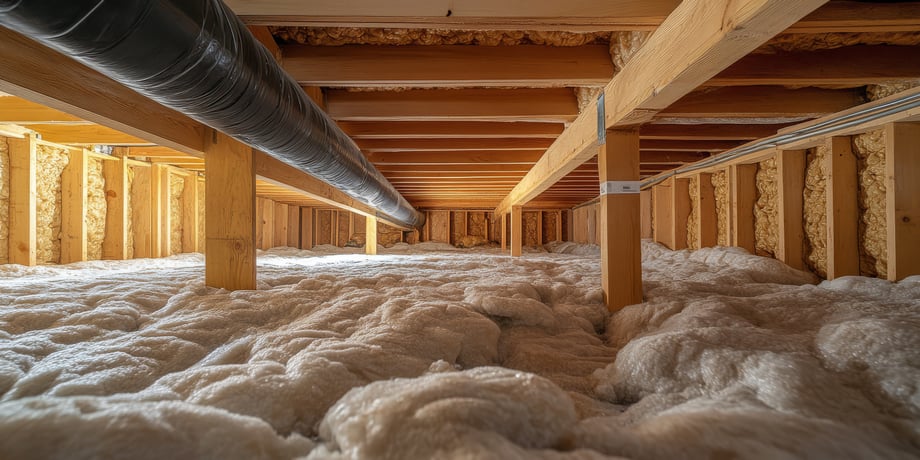
- Insulation and Air Sealing: Many homes in North Carolina lose conditioned air through poorly insulated attics and crawlspaces. Improving insulation can significantly reduce heating and cooling costs.
- Windows and Doors: ENERGY STAR®-certified windows and doors may qualify when included as part of a modeled whole-home efficiency improvement package. High-efficiency windows and doors offer greater insulation, preventing your home's comfort from escaping through drafty panes.
- High-Efficiency HVAC Systems: Upgrading to modern, energy-efficient heating and cooling equipment can dramatically reduce energy consumption.
HEAR (Home Electrification and Appliance Rebates)
HEAR rebates, on the other hand, support the purchase of energy efficient appliances and the electrification of home systems, like cooking, laundry, hot water, and heating and cooling. These upgrades can not only help lower your monthly utility bills, but also improve the comfort and safety of your home.
Maximum project rebates are based on income level, with the following limits:
|
Income Level |
Maximum Project Rebate |
|
Less than 80% AMI |
100% of project cost, up to $14,000 |
|
80% - 150% AMI |
50% of project cost, up to $14,000 |
HEAR is equipment-based and provides fixed rebate caps for qualifying electric technologies.
Eligible products and maximum rebate amounts when installed by a registered contractor are shown below:
|
Type of Project/Qualified Technology |
Max Rebate Per Product |
Eligible for New Construction |
Quantity Limit |
|
ENERGY STAR electric heat pump water heater* |
Up to $1,750 |
Yes |
One |
|
ENERGY STAR electric heat pump for space heating* |
Up to $8,000 |
Yes |
One system |
|
Electrical load service center (electrical panel)*** |
Up to $4,000 |
No |
|
|
Electrical wiring*** |
Up to $2,500 |
No |
|
|
Insulation, air sealing, ventilation |
Up to $1,600 |
No |
|
|
ENERGY STAR electric heat pump clothes dryer or combo washer/dryer* |
Up to $840 |
Yes |
One |
|
ENERGY STAR electric stove, cooktop, range** |
Up to $840 |
Yes |
One |
*Existing Heat Pump will not be eligible for replacement.
**Rebates are available only when upgrading from a non-electric appliance.
***Rebates are available only when required to enable installation of an eligible appliance on the same application.
Please note that this is not a complete list of installation and product requirements. Additionally, a single household may not receive a rebate from both HOMES and HEAR for the same upgrade or equipment type, but may participate in both. The registered contractor you select will provide you with the necessary information to meet any other requirements prior to selecting a quote.

Can Energy Saver NC Be Combined with Other Programs?
In some cases, yes. Homeowners may be able to combine Energy Saver NC incentives with utility programs, such as offerings from Duke Energy, depending on eligibility and program rules. A qualified contractor can help determine what combinations are available.
It's important to note that Energy Saver NC is not a tax credit, but rather a point-of-sale rebate program administered through registered contractors.
How to Apply for Energy Saver NC
Energy Saver NC is designed to streamline the application and rebate process.
- Apply for Energy Saver NC online by uploading your proof of income or enrollment in a recognized federal program (like LIEAP or Medicaid). HOMES rebate applications require 12 months of utility bills for energy modeling and a separate application.
- Schedule a free home energy assessment to see if you're eligible for HOMES rebates. The energy assessor will meet with you to understand your home's energy use and create a custom action plan to maximize incentives. The assessment helps identify:
- Air leaks
- Insulation gaps
- HVAC inefficiencies
- Duct leakage
- Overall energy performance
- Choose a registered, licensed, and trained contractor.
- Complete the home upgrade.
As a registered contractor participating in Energy Saver NC, Cape Fear Energy Systems helps households navigate eligibility, modeling requirements, and rebate coordination from start to finish.
Why Energy Efficiency Matters in North Carolina
North Carolina’s climate presents unique challenges:
- High humidity
- Long cooling seasons
- Salt air exposure in coastal regions
- Increasing summer peak demand
By upgrading your home's energy efficiency, you can:
- Reduce monthly energy bills
- Improve indoor comfort
- Lower strain on equipment
- Increase long-term home value
Energy efficiency isn’t just about savings—it’s about resilience and performance.

Frequently Asked Questions:
-
Is Energy Saver NC available statewide?
Yes. Energy Saver NC is available to qualifying households throughout North Carolina, though specific rebates and eligibility requirements may vary depending on income level and utility provider. -
Can renters apply for Energy Saver NC?
Yes. Renters are eligible for Energy Saver NC, though you will need your property owner to sign a project authorization form on your behalf. -
What if I live in a multifamily property like a townhouse or condo?
If you are interested in HEAR for a multifamily property (as the tenant or property owner), you may still be eligible. Multifamily eligibility may require additional income verification and building-level review through the program administrator. -
When do you receive your rebates?
Rebates are applied at the point of sale by registered contractors, reducing your out-of-pocket project cost. -
Does Energy Saver NC cover solar panels?
Energy Saver NC is primarily focused on energy efficiency improvements, not renewable generation. Therefore, solar generation systems are not included under HOMES or HEAR rebate categories. However, improving insulation, HVAC efficiency, and air sealing can significantly reduce the size of a future solar system by lowering total energy demand. -
Is there a deadline to apply?
Energy Saver NC will run through 2031 or until funding runs out, whichever comes first. Funding is limited and available on a first-come, first-served basis. -
What if I just installed energy efficient equipment? Can I still apply for a rebate?
HEAR retroactive rebates aren't available. HOMES retroactive rebates are for projects that meet all DOE requirements and are started on or after August 16, 2022. -
Who administers Energy Saver NC?
Energy Saver NC is funded through the Inflation Reduction Act and administered in North Carolina by the NC Department of Environmental Quality in partnership with the U.S. Department of Energy. -
Can self-installed projects qualify?
No, self-installed projects do not qualify for Energy Saver NC rebates. All installations must be completed by a registered contractor to be eligible.