
You had a generator installed a while back, mostly for peace of mind, and it's been sitting outside ever since. You've heard it click on for a few minutes some mornings, but you've never actually seen it run during an outage. Is it still going to work when you need it, or is it just an expensive lawn ornament at this point?
Standby generators are mechanical equipment, and like any engine, they need periodic attention to start reliably and run the way they're supposed to. Most of that maintenance is simple, and a lot of it, your generator is already doing for you.
Cape Fear Energy Systems installs and services whole-home standby generators for homeowners across North Carolina and South Carolina. Here's how often a standby generator actually needs service, what its automatic self-test is checking, and the signs it's time to call a professional.
Quick Answer: How Often Should a Standby Generator Be Serviced?
Most manufacturers recommend a professional maintenance visit once or twice a year, along with a few things homeowners can keep an eye on in between:
- A professional service visit annually, or every six months for heavy-use homes
- Confirming the generator's automatic weekly self-test is running and completing without errors
- Checking the fuel supply, natural gas connection or propane tank level, on a regular basis
- Keeping the area around the unit clear of debris, vegetation, and standing water, a bigger job in coastal Carolina yards after a storm than most homeowners expect
- Listening and watching for anything different: unusual noise, smoke, or a fault light
A generator that's completing its self-tests cleanly and has been professionally serviced on schedule is in good shape. One that's throwing errors, hasn't been serviced in over a year, or has never been serviced at all is worth a closer look.
Why Standby Generators Need Regular Maintenance
A standby generator runs on an internal combustion engine, similar in principle to a car, just built to sit idle most of the time and start instantly when called on. Engine oil breaks down, filters collect debris, batteries lose charge over time, and small mechanical issues can go unnoticed for months if nothing prompts a look.
The Consumer Product Safety Commission advises homeowners to regularly check and maintain generators so they work properly when needed, and that guidance matters most in the Carolinas, where salt air and storm-season humidity can accelerate wear on outdoor equipment faster than in drier inland climates. The difference between a generator that starts reliably during an outage and one that doesn't usually comes down to whether basic maintenance happened on schedule.
What the Automatic Self-Test Is Actually Doing
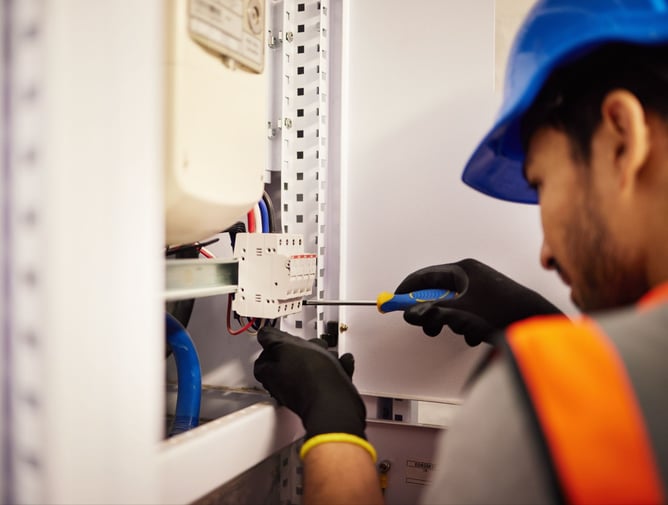
Most standby generators run a brief self-test on a set schedule, often weekly, starting the engine for several minutes without transferring your home's power. This isn't just a courtesy feature. It exercises the engine, circulates oil, and helps the system confirm it can actually start on command, and most units will flag a fault code if something didn't go as expected.
If you've noticed your generator quietly running for a few minutes at the same time every week, that's the self-test doing its job. If you haven't heard it run in months, or it's been throwing a fault light, that's a signal worth acting on rather than ignoring. Our comparison of whole-home and portable generators goes deeper on how each is sized, installed, and maintained differently.
Not sure if your generator is ready?
Get your standby generator checked out
Whether it's been a while since your last service or something seems off, our local team can inspect your system and confirm it's ready to perform when you need it. Submit a service request and we'll take a look.
Submit a Service RequestWhat Professional Maintenance Actually Covers
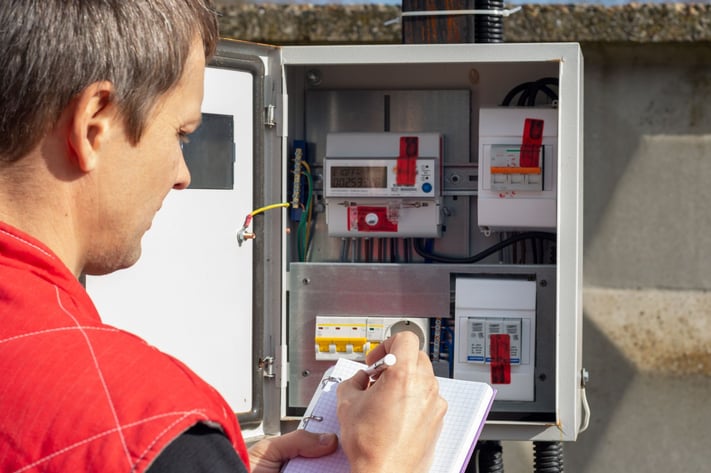
A typical annual or semi-annual service visit covers the items a homeowner can't easily check alone: oil and filter changes, spark plug and battery inspection, coolant levels on liquid-cooled units, checking the transfer switch and wiring connections, and a full load test to confirm the generator can actually carry your home's power under real demand, not just idle.
ESFI notes that a transfer switch is the only way to safely connect a generator to a home's electrical system, whether the generator is portable or standby. Skipping these visits doesn't always cause an immediate problem, but it's the most common reason a generator fails to perform when an outage finally happens, often during the exact week a Carolina hurricane makes that reliability matter most.
Signs Your Generator Needs Attention Now
A few signs are worth acting on rather than waiting for the next scheduled visit: a fault or error light on the control panel, the self-test not running or not completing, unusual noise, vibration, or smoke during a test, a fuel or propane smell near the unit, or simply not knowing when it was last serviced.
None of these mean something is seriously wrong, but they're all reasons to have a professional take a look rather than wait and find out during the next real outage. Homeowners who pair a generator with battery storage get an extra layer of backup while the generator is being serviced or between maintenance visits.
Keeping Your Backup Power Actually Ready
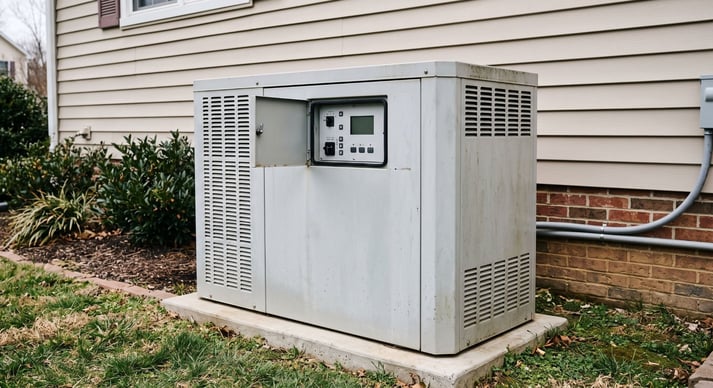
A standby generator is only as reliable as the maintenance behind it. Between the automatic self-test doing its part and a professional visit once or twice a year, most homeowners across North Carolina and South Carolina can stay ahead of problems without much effort. If it's been a while since your system was checked, or you're not sure what your maintenance history looks like, that's worth finding out before you need the answer.
Your local partner in energy independence since 2007
When did you last have your generator serviced?
As a turnkey, NABCEP-certified local team, we install and maintain standby generators, battery, and solar systems for homes and businesses across NC and SC.
Submit a Service Request