When homeowners in North Carolina and South Carolina think about backup power, generators are often the first thing that comes to mind. But not all generators work the same way.
The two most common options are portable generators and whole-home standby generators. Both can provide power during an outage, but they serve very different needs. The right fit depends on how you want your home to function when the grid goes down, how much power you need, and how hands-on you want to be during a storm.
Quick Answer: What’s the Difference Between Portable and Whole-Home Generators?
Portable generators are smaller, movable units that are used only when needed. Whole-home generators are permanently installed systems tied into the home’s electrical setup.
The simplest difference looks like this:
- Portable = manual and temporary
- Whole-home = automatic and built-in
Standby generators are designed to turn on automatically during an outage, while portable units require homeowner setup and operation. Homeowners who want to look at permanent backup options can explore generator solutions built for reliable home backup power.
Portable Generators: Flexible and Lower Upfront Cost
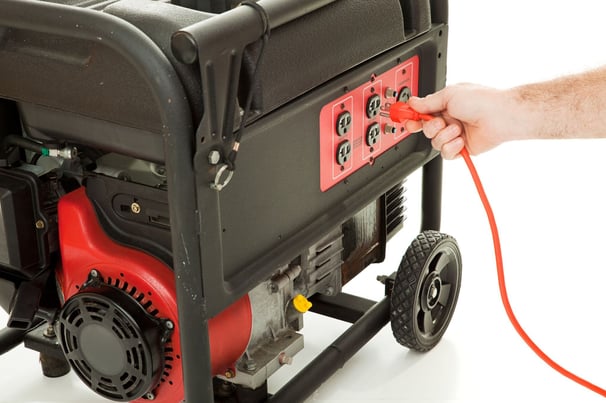
Portable generators usually cost less up front than standby systems. They can often power a few selected essentials, such as:
- Refrigerators
- Lights
- Small appliances
- Phone chargers
- Limited circuits or outlets
That lower entry cost is one reason some homeowners start here. Portable generators can be a practical choice for short outages, lighter energy needs, or homeowners who do not want to invest in a permanently installed system right away.
Their main advantages include a lower initial cost, lots of mobility, and no permanent installation.
But they also come with limits. Manual startup, manual connection, lower output, and fuel storage and refueling during outages can be serious limitations.
Portable generator use also comes with serious safety requirements. Portable generators produce carbon monoxide and should never be used indoors or near openings where exhaust can enter the home. Portable generators should be kept well away from windows and doors and should not be connected directly to household wiring without proper equipment.
Whole-Home Generators: Automatic and Broader Coverage
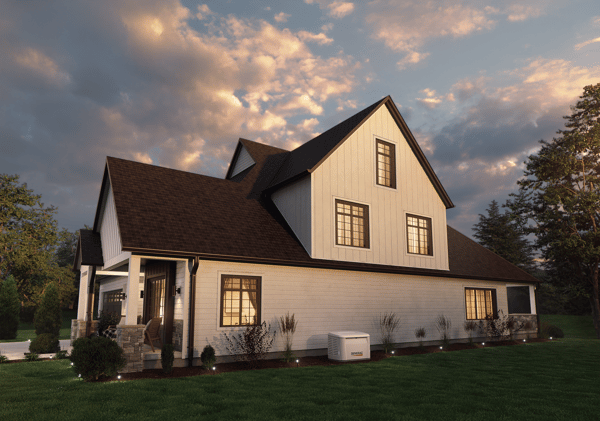
Whole-home generators are permanently installed and connected to the home. They are built to start automatically when utility power goes out.
That means they can often power much larger portions of the home, along with HVAC systems, major appliances, and more continuous household loads.
Their main advantages include seamless operation, no homeowner setup during an outage, a better fit for longer outages, and more consistent coverage for larger homes.
For homeowners in North Carolina and South Carolina, that automatic response can make a big difference. Outages tied to storms are not always short, predictable, or convenient.
Cape Fear Energy Systems positions standby generators as part of a broader backup power strategy for coastal homes, and homeowners can see how we design backup systems around their home and energy goals.
Cost Differences: Short-Term vs Long-Term Investment
Portable generators usually come with a lower upfront cost. Whole-home generators usually require a bigger initial investment because of the equipment size and the installation, which includes electrical integration and fuel connection.
Long-term ownership costs for either option will include fuel, maintenance, and periodic service. That is why the real comparison is not only about purchase price. It’s about how much convenience, runtime, and coverage a homeowner wants during an outage.
A portable generator may cost less on day one, but it also asks more of the homeowner when the power goes out. A standby system costs more upfront, but it offers a different level of convenience and protection.
Convenience and Ease of Use
Portable generators require setup during the outage, constant fuel monitoring, manual startup, and lots of extension cords.
Whole-home generators will start automatically, require little to no homeowner action in the moment, and ultimately keep power flowing more continuously.
For many homeowners, this is the deciding factor. The choice often comes down to how involved you want to be during a storm or outage. Some people are comfortable pulling equipment out, refueling it, and managing a temporary setup. Others want the house to respond automatically without needing to do anything in bad weather.
If you want help thinking through that decision, you can talk with Cape Fear Energy Systems about backup options for your home.
Fuel and Runtime Considerations
Portable generators usually run on gasoline. That means fuel has to be stored safely and replenished during extended outages.
Whole-home generators typically run on natural gas or propane. That makes them a stronger fit for multi-day outages when a home needs more continuous power.
This becomes especially important in North Carolina, where storm-related outages can last longer than a quick utility interruption. If your goal is short-term flexibility, a portable unit may be enough. If your goal is steadier backup through a longer outage, a whole-home system may be the better fit.
Homeowners comparing generators with other resilience options can also compare generators and alternatives like battery backup for coastal North Carolina homes.
Safety and Placement
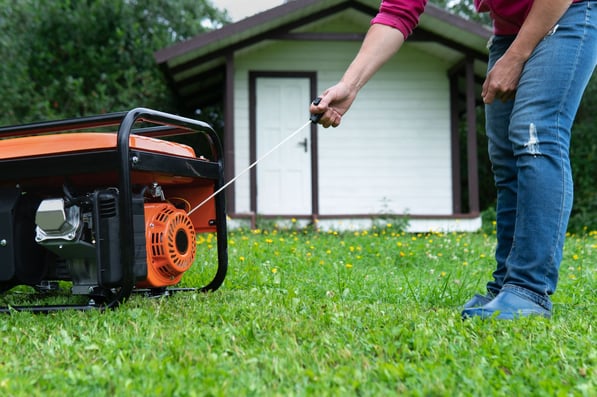
Portable generators must be used outdoors, kept away from windows and doors, and operated with close attention to exhaust and cord safety.
Improper use can create carbon monoxide, fire, and electrocution risks. The CDC and other federal safety agencies also warn that portable generators can pose carbon monoxide, electric shock, and fire hazards when used incorrectly.
Whole-home systems are different because they are installed to code and designed for long-term operation as part of the home’s electrical setup. That does not mean they require no maintenance, but it does mean they are built for a more permanent and controlled backup solution.
For portable unit safety, homeowners should review guidance from OSHA showing that portable generators can pose carbon monoxide, electric shock, and fire hazards.
Which Generator Makes Sense for Your Home?
Portable generators are usually best for:
- Short outages
- Lower energy needs
- Budget-focused homeowners
- Homes that only need a few essentials powered
Whole-home generators are usually best for:
- Frequent outages
- Higher power demands
- Full-home or broader-home coverage
- Homeowners who want hands-off backup
Homes in North Carolina and South Carolina often place a higher value on automatic, storm-ready systems because outages can be more disruptive and less predictable.
The best option depends on your home, your expectations, and how you want to live through an outage.
How Cape Fear Energy Systems Helps You Choose
Cape Fear Energy Systems helps homeowners choose the right setup by evaluating their home energy usage, outage patterns, backup priorities, and installation requirements.
This process helps determine a home or business system size, whether generator backup should stand alone or fit into a larger energy plan, and how backup power fits with future upgrades.
Cape Fear Energy also offers electrical planning that supports modern electrification, smart load planning, solar, and EV charging. Homeowners thinking beyond just one outage solution can explore future-ready whole-home electrical systems that support backup power and modern home energy upgrades.
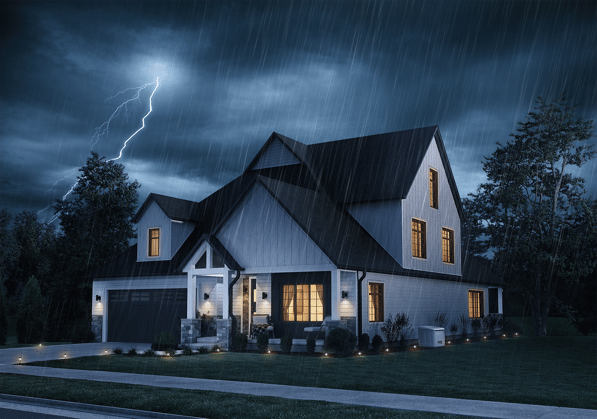
It’s About How You Want Your Home to Function During an Outage
Both generator types serve a purpose. The best choice depends on:
- Your energy needs
- Your budget
- How much convenience you want
- How much of the home you want powered
- How hands-on you want to be during an outage
Portable generators offer flexibility and lower upfront cost. Whole-home systems offer convenience, automation, and stronger long-duration coverage.
Not sure which generator makes sense for your home? Cape Fear Energy Systems can help you compare your options and design a backup power solution that fits your needs. Get a quote to explore generator and backup power options.