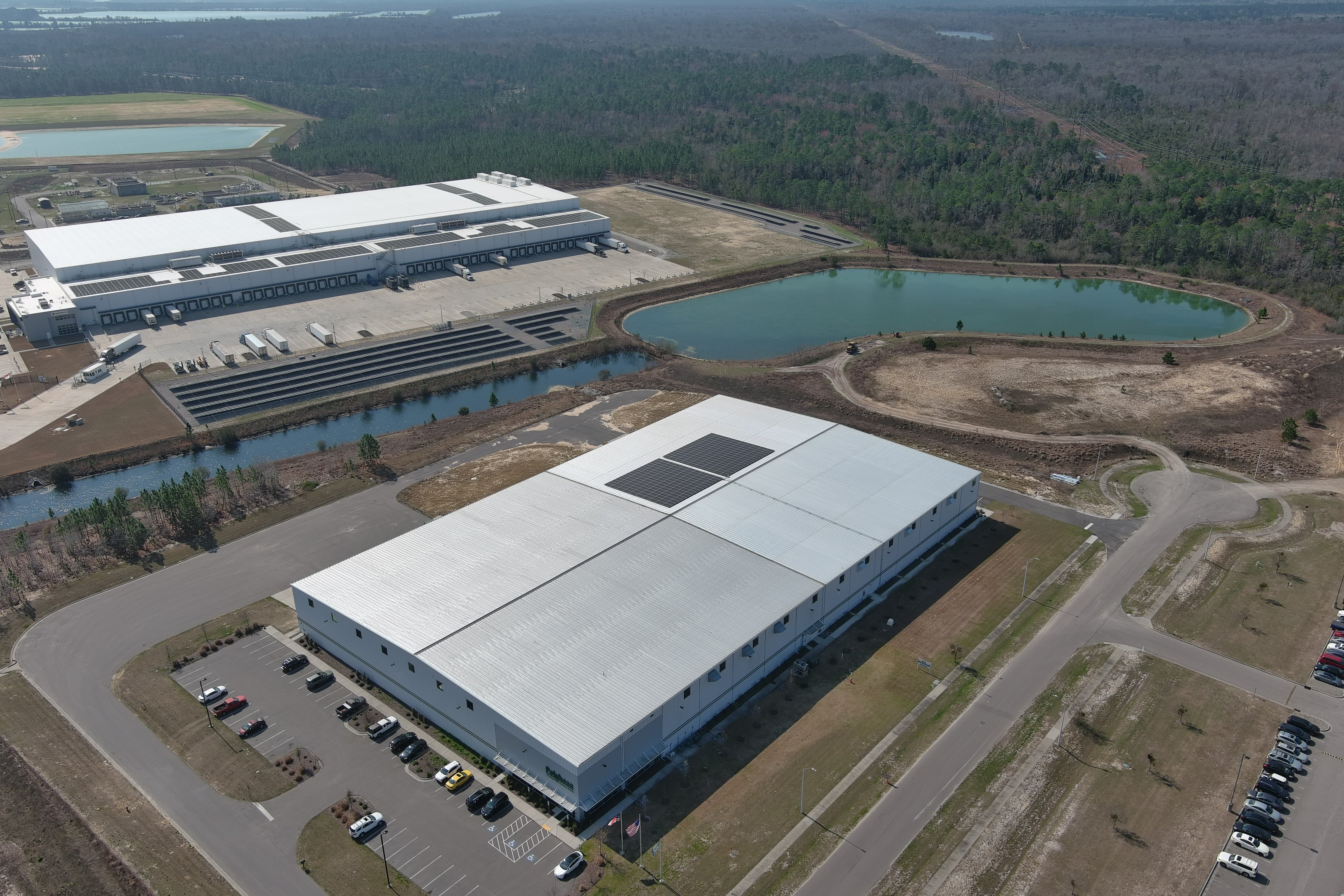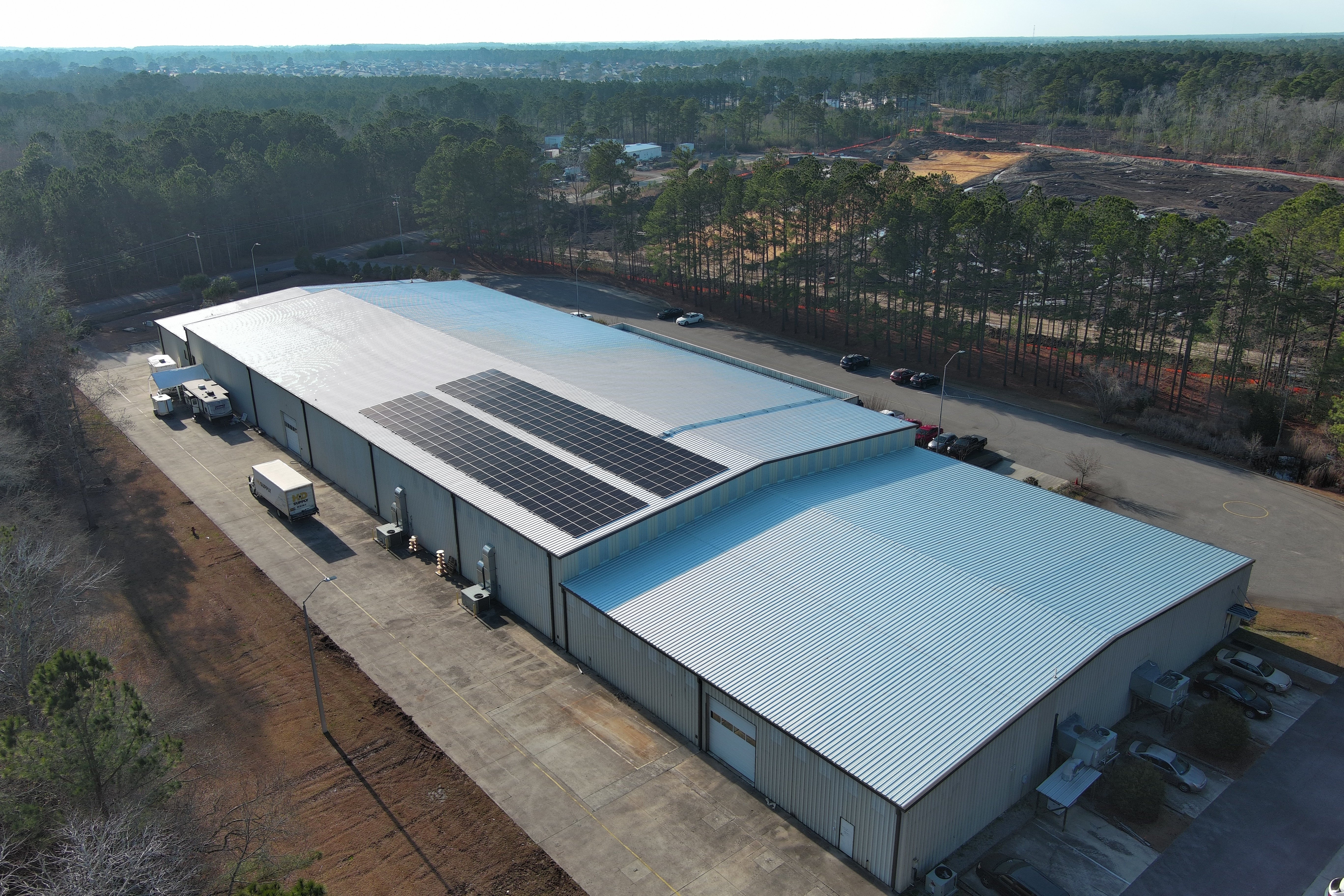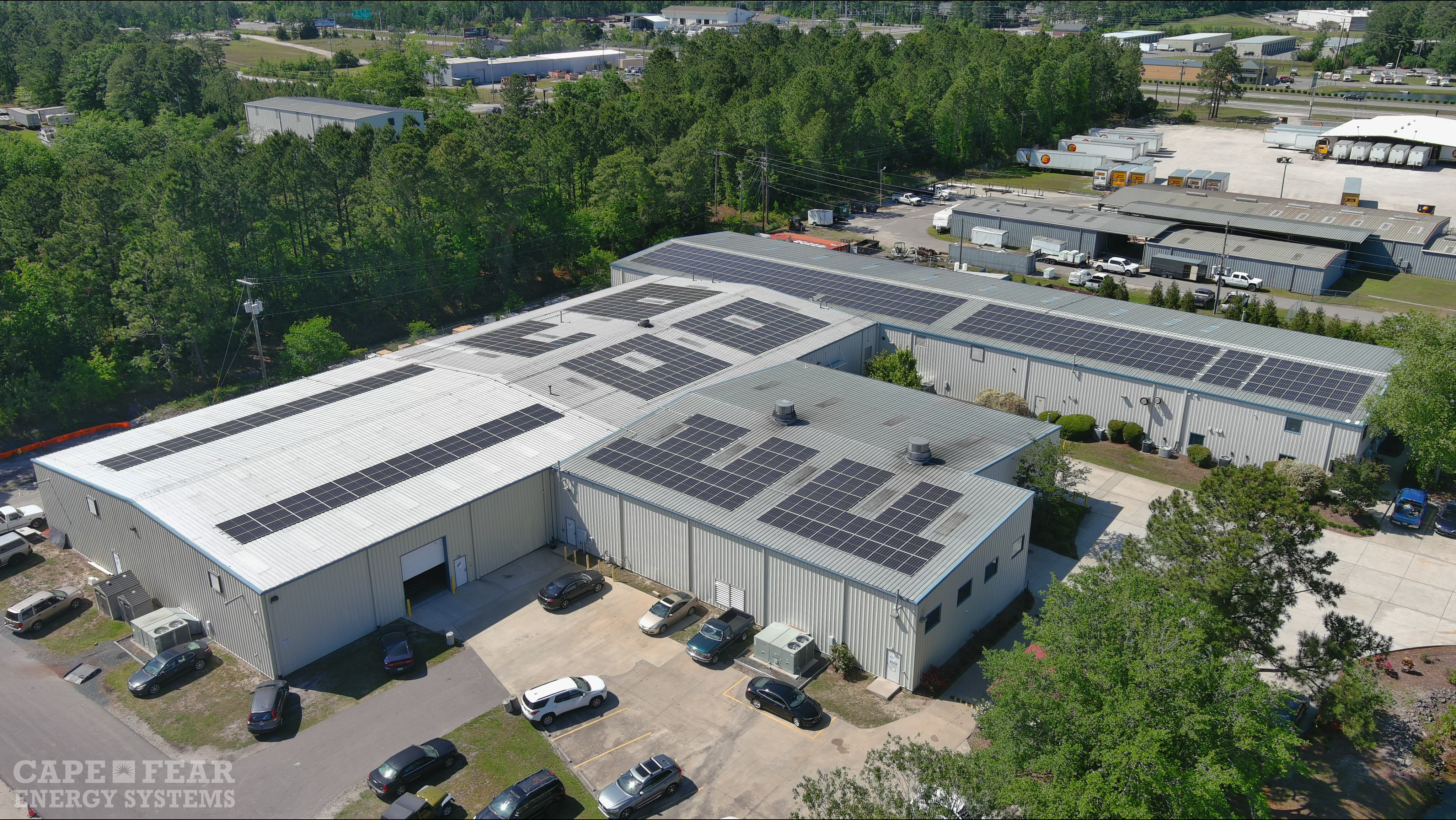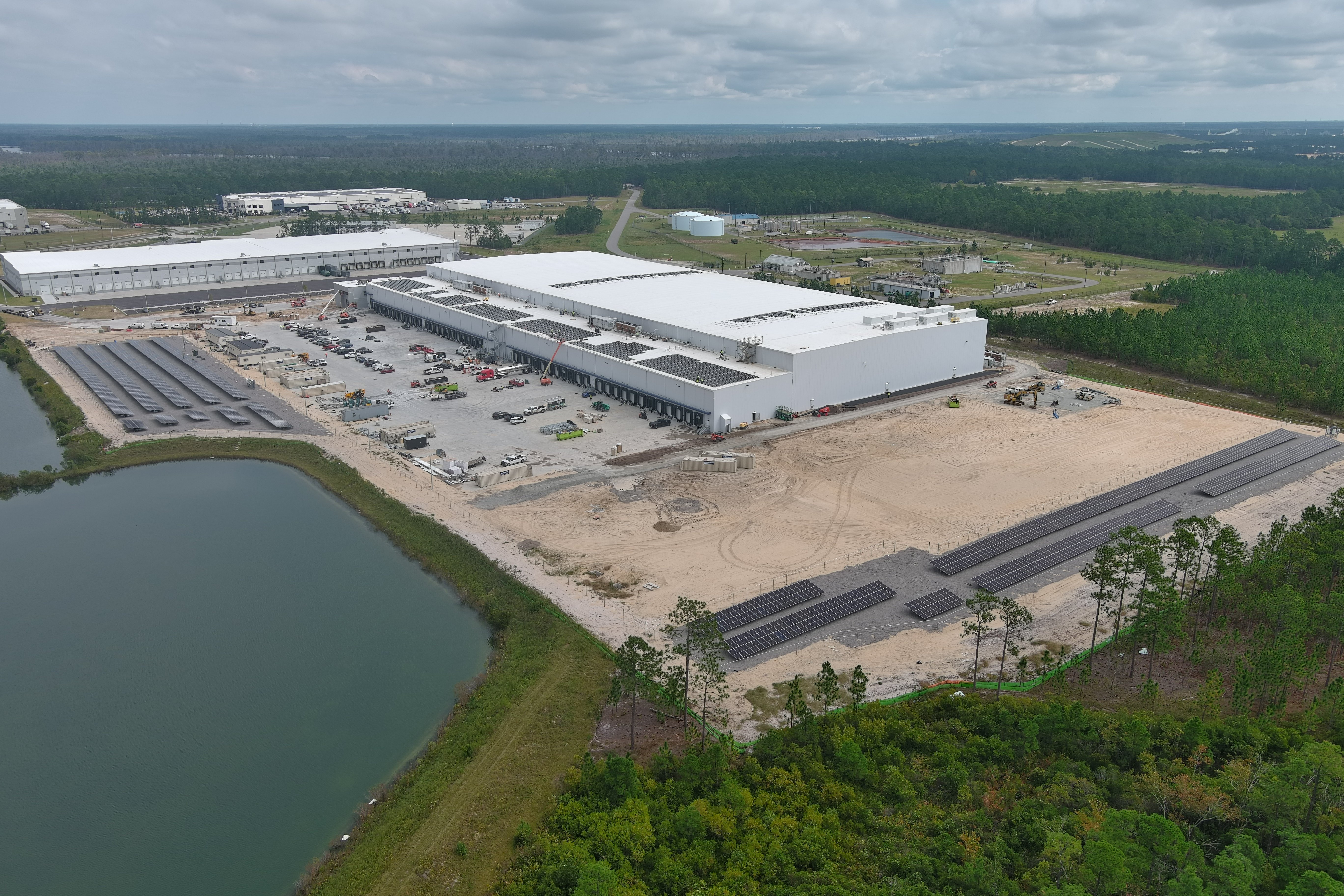
Project Snapshot
- System Size: 155.2 kW
- Annual Production: 192,585 kWh
- Energy Offset: ~84.5%
- Primary Objective: Reduce operational costs and support sustainability goals
- Installation Type: Roof-mounted
The Client & Operational Context
Polyhose operates as part of a global organization with a local manufacturing presence in Wilmington. Like many industrial facilities, energy is a significant operational expense, and leadership was looking for a solution that could reduce long-term costs while aligning with broader sustainability initiatives. The goal was to implement a solar system that would meaningfully offset electricity usage, integrate seamlessly with facility operations, and demonstrate a commitment to responsible energy use.The Challenge
Key challenges included designing a system large enough to achieve a high percentage offset while working within available roof space and maintaining optimal performance. The facility required a solution that could deliver consistent energy production, support long-term financial savings, and be installed without disrupting ongoing operations. Achieving a high offset also required careful consideration of load patterns and system sizing to ensure the energy produced would be effectively utilized on-site.The Strategy
High-Offset System Design
The system was designed to offset a substantial portion of the facility’s current electricity usage, targeting over 80% coverage. This required precise sizing and layout to maximize production while maintaining efficiency.
Optimized Panel Utilization
With 320 modules installed, the layout was configured to take full advantage of available roof space and solar exposure, ensuring strong year-round performance. The design accommodates potential expansion to meet future energy needs.
Operational Continuity
Installation planning focused on minimizing disruption to daily operations. Coordination with facility management ensured that production and administrative functions continued without interruption.
Sustainability Alignment
The project supports Polyhose’s broader sustainability goals by significantly reducing reliance on grid electricity and lowering the facility’s environmental impact.
The Solution
The final installation includes a 155.2 kW solar array composed of 320 high-efficiency panels, producing an estimated 192,585 kWh annually. The system offsets approximately 84.45% of the facility’s current electricity usage, making it a high-impact energy solution with room to expand. By integrating directly with the building’s electrical system, the solar array provides reliable, on-site energy generation that reduces dependence on the grid and stabilizes long-term energy costs.The Results
Financial Impact
The system is projected to deliver $357,206 in savings over 25 years by significantly reducing electricity costs. With a high percentage of energy generated on-site, Polyhose benefits from predictable energy expenses and long-term financial stability.
Operational Impact
Solar now supplies the majority of the facility’s energy needs, reducing reliance on external power sources and insulating operations from energy cost fluctuations. The installation was completed with minimal disruption, ensuring continuous operation throughout the project.Community Impact
Polyhose’s investment reflects a strong commitment to sustainability within the Wilmington community. By reducing its carbon footprint and embracing renewable energy, the facility sets a positive example for other industrial operations and contributes to broader environmental goals.System Performance Snapshot
- 155.2 kW solar array
- 320 high-efficiency panels
- 192,585 kWh annual energy production
- 84.45% of building's current electricity usage offset
- $357,206 projected 25-year savings
Why It Matters
This project demonstrates how commercial and industrial facilities can achieve both financial and environmental goals through well-designed solar systems. By generating the majority of its electricity on-site, Polyhose reduces operational costs, improves energy predictability, and strengthens its sustainability profile. High-offset systems like this show what is possible when system design is aligned with actual energy usage, providing a model for other facilities seeking long-term energy solutions.