
Electric vehicle ownership is rapidly increasing across North Carolina and South Carolina.
Many homeowners install a home EV charger as soon as they purchase their vehicle. But one important factor often gets overlooked: the long-term cost of the electricity used to power it.
Charging an electric vehicle does not increase how much energy you use for transportation, it just shifts where that energy comes from.
Instead of paying for gasoline, that energy is now supplied through your home’s electrical system. The source of that electricity can vary:
- The utility grid
- A backup generator
- Or clean, self-generated solar energy
The real question is not just whether to install an EV charger, but what will power it over time. Solar power can dramatically reduce the cost of EV charging while improving energy independence.
Understanding how solar systems and EV chargers work together helps homeowners plan smarter and avoid unnecessary electrical upgrades. Cape Fear Energy Systems installs EV charging solutions designed to integrate with residential solar systems, allowing homeowners to charge their vehicles with clean, self-generated power.
How Much Energy Does an EV Charger Actually Use?
Home EV chargers can add a substantial load to your home’s electrical system.
Most homeowners install Level 2 chargers, which typically draw between 7 and 11 kilowatts while charging.
Depending on the vehicle and driving habits, EV energy usage can vary more than many homeowners expect.
For example:
- A Tesla Model Y averages roughly 1 kWh per 3–4 miles, which equals about 4,000–4,500 kWh per year based on 15,000 miles driven
- Larger vehicles like the Rivian R1T may average closer to 1 kWh per 2 miles, or up to 7,500 kWh per year
Factors like terrain, driving style, and vehicle size all impact energy consumption. There is also a growing trend toward larger electric vehicles, such as SUVs and trucks, which typically require more energy to operate.
For many households, adding an EV can represent a meaningful increase in home electricity demand, making it even more important to plan how that energy will be supplied.
According to the U.S. Department of Energy’s guide to electric vehicle charging, Level 2 chargers are the most common residential charging solution because they recharge vehicles much faster than standard outlets.
While convenient, the additional electricity demand can significantly increase monthly utility bills, especially as electricity rates continue to rise.
Solar energy can offset this increased load by producing electricity at home rather than relying entirely on the grid.
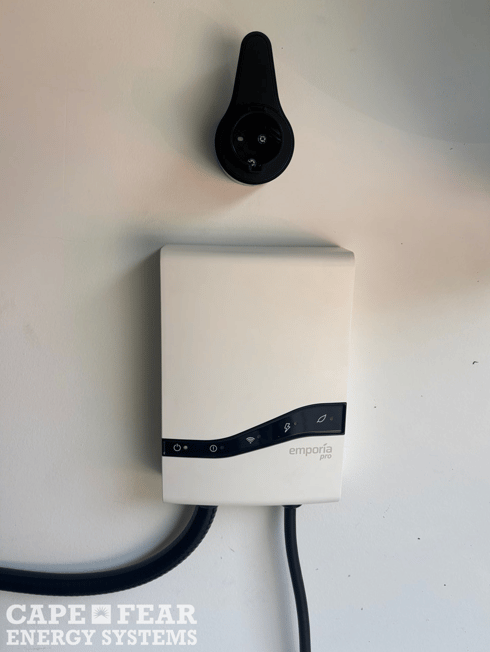
Option 1: Install the EV Charger First
For many homeowners, installing the charger first seems like the simplest solution.
This approach allows immediate charging at home and typically involves a lower upfront cost.
However, there are several potential drawbacks:
- Electricity bills may increase significantly
- Charging costs remain tied to utility rate increases
- The charger may not be sized with future solar integration in mind
- Electrical panel upgrades may be required later if solar is added
The Electrical Panel Capacity Question
EV chargers require dedicated electrical capacity.
Solar systems, inverters, and battery storage systems also require space in the electrical panel. When equipment is installed at different times without coordinated planning, homeowners may face unnecessary electrical upgrades.
Understanding your home’s current and future energy demand is a key part of determining whether solar is the right investment. The Is Solar Right For Me? guide explains how evaluating electrical loads helps homeowners make informed decisions, especially when adding high-demand equipment like EV chargers.
Option 2: Install Solar Before Adding an EV Charger
Installing solar first allows the system to be designed around the home’s future energy needs, including EV charging.
When solar is installed before the charger, several advantages become possible:
- Solar production can offset EV charging costs immediately
- System size can account for projected vehicle energy usage
- Electrical panel and inverter capacity can be planned holistically
- Monitoring apps can show how much EV charging is powered by solar
Designing solar with future electrical loads in mind helps maximize long-term savings.
Cape Fear Energy Systems designs solar systems that account for EV charging and other future energy needs so homeowners avoid system limitations later.
Industry research supports this integrated approach. Data from the Solar Energy Industries Association shows that solar and EV adoption increasingly happen together, with nearly 40% of new solar installations now designed with EV charging integration in mind.
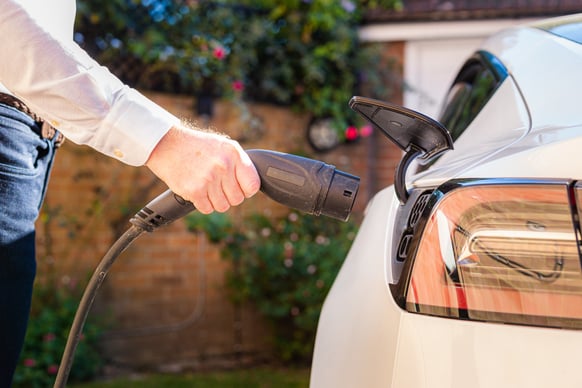
What About Installing Solar and an EV Charger at the Same Time?
In many cases, installing solar panels and an EV charger together is the most efficient approach.
A combined installation allows homeowners to benefit from:
- A single permitting and inspection process
- One coordinated electrical design
- Integrated load calculations for the home
- Simplified planning for future battery storage
This approach avoids redundant electrical work and allows the entire energy system to function as a unified solution.
Cape Fear Energy Systems offers EV charging installations that integrate directly with residential solar systems to simplify the process for homeowners.
Should You Add Battery Storage Too?
For homeowners interested in energy resilience, battery storage can further improve the solar + EV setup.
Solar batteries allow homeowners to:
- Store solar energy for use after sunset
- Maintain vehicle charging capability during grid outages (for limited or emergency use)
- Increase overall energy independence
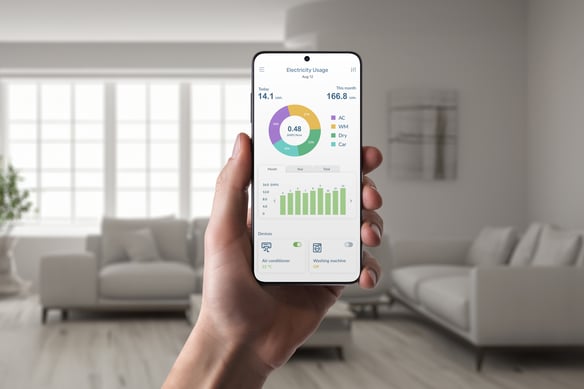
Battery systems such as Tesla Powerwall 3, Franklin aPower 2, and Generac PwrCell 2 also provide monitoring tools that help homeowners understand how energy flows through the home.
For example:
- Tesla Powerwall monitoring shows how EV charging interacts with stored energy
- Franklin aPower provides load management visibility
- Generac PwrCell prioritizes energy use during outages
Battery integration is especially valuable for homes in storm-prone areas of the coastal Carolinas.
Cape Fear Energy Systems installs Tesla Powerwall 3, Franklin aPower 2, and Generac PwrCell 2 systems through its Backup Power solutions, allowing homeowners to combine solar, EV charging, and backup protection.
Tesla notes that systems like Powerwall can coordinate with home energy use during outages, helping ensure essential loads remain powered while managing EV charging demand.
Coastal Carolina Considerations
Home energy systems in the coastal Carolinas face unique environmental challenges.
Storms and grid disruptions can interrupt EV charging when relying entirely on utility power. Integrating solar and battery storage provides an additional layer of resilience.
Other coastal considerations include:
- Equipment durability in humid, salt-heavy environments
- Proper system sizing for seasonal energy patterns
- Professional installation that accounts for coastal conditions
Cape Fear Energy Systems serves homeowners throughout North Carolina and South Carolina with energy systems designed specifically for Carolina environments.
When It Makes Sense to Install Solar First
Installing solar before adding an EV charger is often the smartest choice when:
- You plan to purchase an EV within the next 6–12 months
- Your home’s electrical panel is already near capacity
- You want to offset rising electricity costs
- You want full monitoring of home energy usage
- You want a system designed for long-term expansion
Planning solar early ensures the entire system works together efficiently.

Build the System Around Your Future Energy Needs
Electric vehicle ownership adds meaningful demand to a home’s electrical system.
Installing a charger without considering the power source can lead to higher long-term costs and unnecessary electrical upgrades.
Planning for solar first allows the system to be sized properly, reducing charging costs and improving energy independence. When solar, EV charging, and battery storage are designed together, homeowners gain a more resilient and efficient home energy system.
If you’re planning to install an EV charger or purchase an electric vehicle, Cape Fear Energy Systems can help you design an integrated solar and EV charging solution.
Get an online estimate or contact Cape Fear Energy Systems to determine whether installing solar first will maximize your long-term savings and energy independence across the coastal Carolinas.