Power outages are a regular part of life for many homeowners across North Carolina and South Carolina. Hurricanes, tropical storms, heavy rain, and wind-related outages can interrupt daily routines fast. For some homes, that is an inconvenience. For others, it affects food storage, comfort, work, medical needs, and peace of mind.That’s why more homeowners are asking the same question before the next major storm arrives: Does my home need a generator or battery backup?
The answer usually comes down to how often you lose power, what parts of your home you need to keep running, and how you want your backup system to work when the grid goes down. A generator or battery backup system can help protect the things you rely on most. The key is knowing when your home is starting to show signs that backup power is worth planning for.
Quick Answer: What Are the Signs Your Home May Need Backup Power?
Your home may need a generator or battery backup if:
- You lose power more often than you used to
- Storm outages affect food storage, comfort, or safety
- You rely on essential loads like refrigeration, internet, medical equipment, or well pumps
- You already have solar or plan to add it
- You want less stress and less manual work during an outage
- Your area is vulnerable to longer storm-related outages
Some homes only want a battery as the right fit for short outages and essential circuits. For others, a standby generator makes more sense for longer runtime and wider home coverage.
Sign #1: You Lose Power More Often Than You Used To
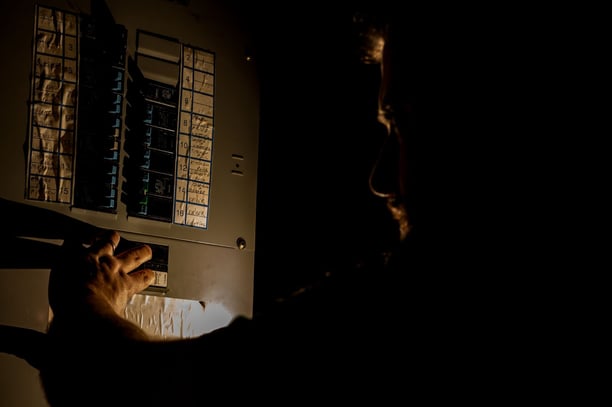
Power outages can be rare and short. However, sometimes power outages become a regular part of life during storm season.
If your home loses power several times a year, backup power starts making a lot more sense. Frequent outages can disrupt refrigeration, internet access, heating and cooling, remote work, and the daily routines most households depend on.
For homeowners across the Carolinas, repeated outages are often one of the first signs that a more reliable system is worth planning for. As the U.S. Department of Energy explains, energy storage and backup systems can help homeowners prepare for outages.
Sign #2: You Worry About Food Loss, Comfort, or Safety During Storms
Backup power is not just about convenience. It can protect the things homeowners rely on most.
If an outage means worrying about spoiled groceries, uncomfortable indoor temperatures, flooded areas from an inoperable sump pump, or moving through the house in the dark, your home may be a strong candidate for backup power. That concern usually becomes more urgent for families with young children, older adults, anyone working from home, and homes with temperature-sensitive needs.
A backup system can help reduce those worries by keeping critical parts of the home operating when the grid is unavailable. For many homeowners, that peace of mind is the main reason to act before storm season gets worse.
For households that want a more dependable outage plan, it helps to explore standby generator options designed to keep your home powered during outages.
Sign #3: You Have Essential Loads You Cannot Afford to Lose
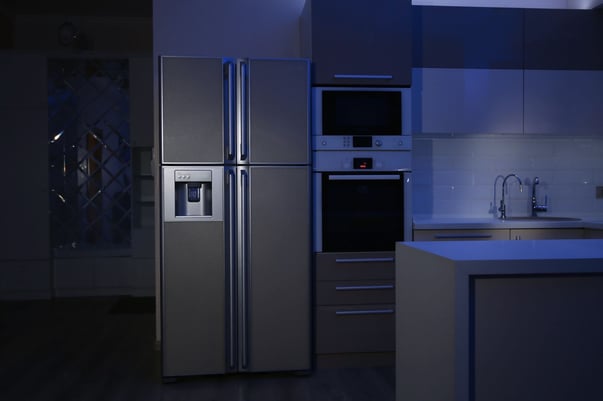
Every home handles outages differently. One home can get by for a while with a flashlight, bottled water, and a cooler, while a home down the street depends on steady power for daily life.
This is where the difference between a battery backup and a generator starts to matter.
A battery system is often a good fit when the goal is to keep essential circuits running quietly and automatically. A standby generator may make more sense when larger loads, longer runtime, or broader whole-home coverage are part of the priority.
The best backup setup is not always about powering everything. Sometimes it is about protecting the loads that matter most. See how battery systems support backup power for the loads that matter most.
Sign #4: Your Home Already Has Solar or You’re Planning to Add It
If your home already has solar, or solar is on your radar, battery backup becomes a natural conversation.
Solar with storage can help homeowners:
- Store electricity for later use
- Keep selected loads running during outages
- Reduce dependence on the grid
This is especially appealing for homeowners who want quieter, lower-maintenance backup than a traditional generator. Cape Fear Energy Systems positions battery systems as part of a broader home energy setup alongside solar and EV charging.
Homeowners who want to better understand the connection can learn how solar and battery storage work together during outages or explore battery backup options for cleaner, quieter outage protection.
Sign #5: You Want Less Stress and Less Work During an Outage
Some homeowners are fine with a manual setup, but most homeowners want power to switch over automatically without needing to go outside in bad weather.
If the idea of pulling out cords, refueling equipment, or managing power manually sounds like a hassle, your home may be a good fit for a more permanent backup solution. Battery systems switch instantly. Standby generators turn on automatically within seconds.
That kind of hands-off reliability is often the deciding factor for homeowners. It is also why many people move away from temporary solutions. The CDC warns that portable generators can create serious carbon monoxide risks if used improperly, which is one reason permanent systems can feel like a safer and simpler long-term choice.
Sign #6: Your Area is Vulnerable to Longer Storm-Related Outages
Carolina homes deal with hurricanes, tropical storms, heavy rain, and wind-related outages.
If your area is prone to outages that stretch longer than a few hours, it may be time to think past temporary solutions. A generator is often a stronger fit for long-duration outages. A battery may be ideal for shorter interruptions or for homeowners prioritizing low maintenance and solar integration.
The right answer depends on the home, the outage pattern, and how much of your daily life you want to protect.
Generator or Battery Backup: Which One Fits Better?
A generator may be the better fit if:
- You have extended outages with minimal sunlight, or have natural gas already in your neighborhood
- You need to power larger home loads without needing a lot of batteries
- You want stronger whole-home coverage
A battery may be the better fit if:
- You want quiet, instant backup
- You already have solar or plan to install it
- You want lower-maintenance backup for essential circuits
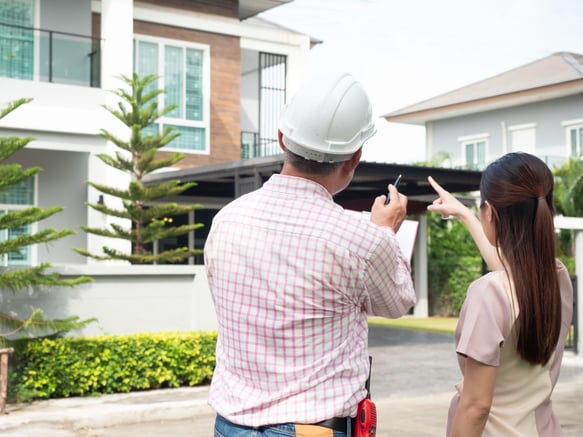
In most homes, the best answer may be a layered system instead of a one-size-fits-all approach. If you are weighing both options, you can compare backup options for North Carolina and South Carolina homes.
How Cape Fear Energy Systems Helps You Decide
Cape Fear Energy Systems helps homeowners make the decision based on:
- Outage frequency
- Home energy usage
- Essential loads
- Solar compatibility
- Long-term goals
That means comparing standby generators, battery storage, and hybrid options based on how the home actually functions, not just what sounds good in theory.
If you want a clearer idea of the process, you can see how Cape Fear Energy designs backup solutions around your home, goals, and energy use.
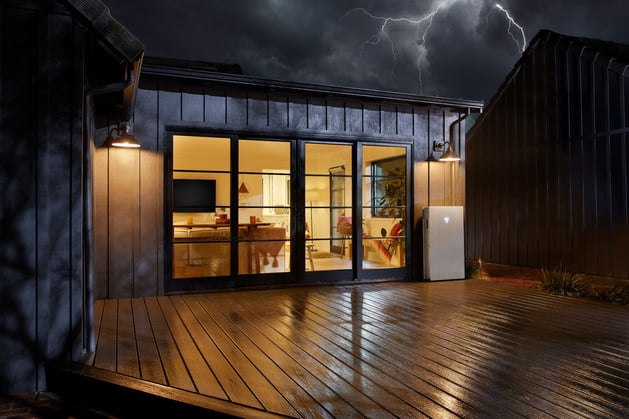
The Best Time to Plan for Backup Power is Before You Need It
If your home is dealing with repeated outages, higher storm risk, or more essential energy needs, backup power may already make sense.
The right solution depends on how often you lose power, how much of your home you need to run, whether solar is part of the plan, and how hands-on you want to be during an outage.
The most important thing is planning ahead before the next storm puts your home to the test.
Not sure whether your home needs a generator or battery backup? Cape Fear Energy Systems can help you compare your options and design a backup power solution that fits your needs. Request a quote online to start moving forward in the Carolinas.