Some homeowners only want to keep the refrigerator, Wi-Fi, and a few lights running during an outage. Others want HVAC, a well pump, medical equipment, kitchen appliances, an EV charger, and most of the home covered.
That is why there is no one-size-fits-all answer to backup power. The right system depends on what needs to stay on, how long it needs to run, and how hands-off you want the system to be when the grid goes down.
For homes across North Carolina and South Carolina, storm season, humidity, remote work, and longer outages can all change what “enough backup power” really means. Cape Fear Energy Systems helps homeowners compare batteries, generators, and layered backup options based on how the home actually functions.
If you are starting to compare options, you can explore standby generator options designed to help keep your home powered during outages or explore battery backup options for quieter, automatic outage protection.
Start With What Needs to Stay On
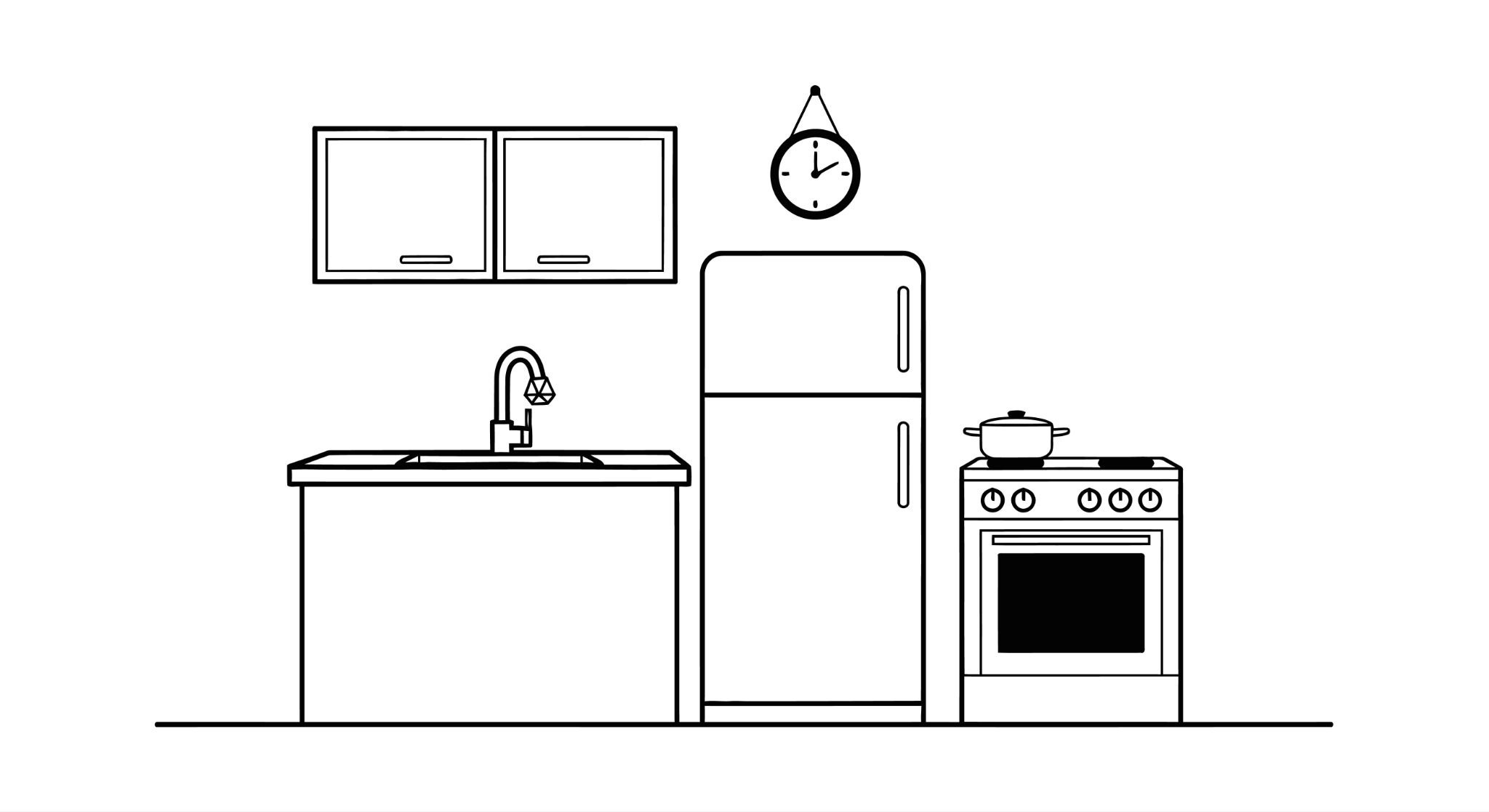
Before choosing a battery or generator, start with a simpler question: what do you actually need during an outage?
For some households, the answer is basic comfort and communication. That may mean keeping the refrigerator cold, the Wi-Fi on, phones charged, and a few lights available. For others, backup power may need to support medical equipment, a well pump, security systems, garage access, or some level of heating and cooling.
Common backup priorities include:
- Refrigerator and freezer
- Lights
- Internet and Wi-Fi
- Phone charging
- Medical equipment
- Security system
- Garage door
- Well pump
- Select outlets
- HVAC or a mini-split system
Not every home needs full-home coverage. Some homeowners only need the essentials. Others want the house to feel as normal as possible, even during a longer outage.
The U.S. Department of Energy explains that resilient power systems help reduce the likelihood and impact of long-duration outages, and solar can play a role in strengthening energy resilience. That is why backup power planning should start with your real priorities, not just the size of your home.
Essential Loads vs. Whole-Home Backup
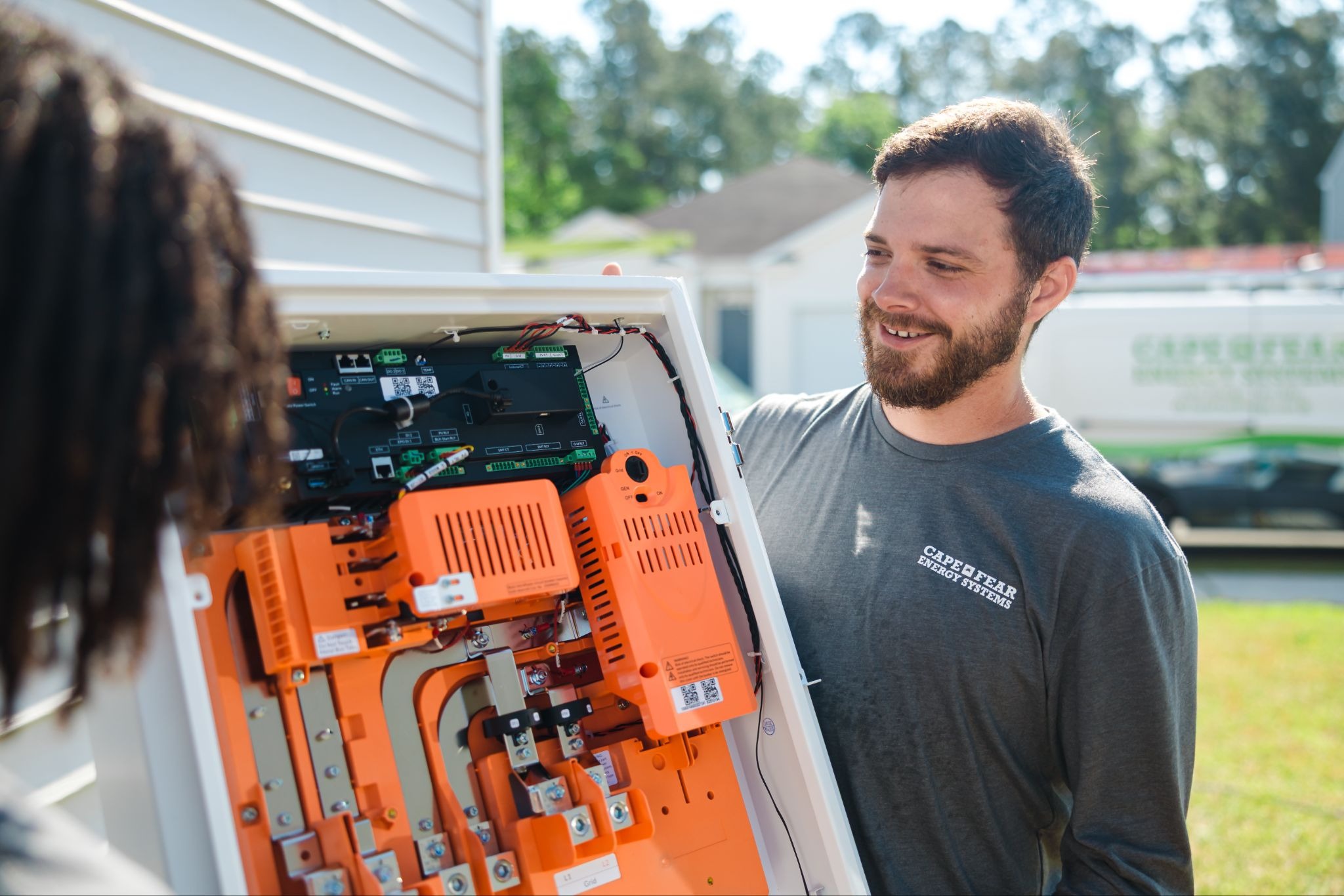
Most backup power systems fall into two planning categories: essential-load backup and whole-home or broader-home backup.
Essential-load backup focuses on the parts of the home that matter most during an outage. This approach may be a good fit for homeowners who want quiet, lower-maintenance support for short outages and do not need every appliance running.
Whole-home backup is designed to power larger portions of the house, depending on system size, fuel supply, storage capacity, and electrical setup. This may be a better fit for homeowners who want HVAC, major appliances, and broader comfort during longer outages.
The right choice depends on lifestyle, budget, outage frequency, and how much convenience you want when the grid goes down. A family with young children, remote work needs, medical devices, or a well pump may define “essential” very differently from a homeowner who only wants basic refrigeration and lighting.
This is also where electrical planning matters. Future-ready electrical planning can support batteries, generators, solar, EV charging, and modern home energy needs, especially if you expect your home’s power needs to grow.
Battery Backup, Generator, or Both?
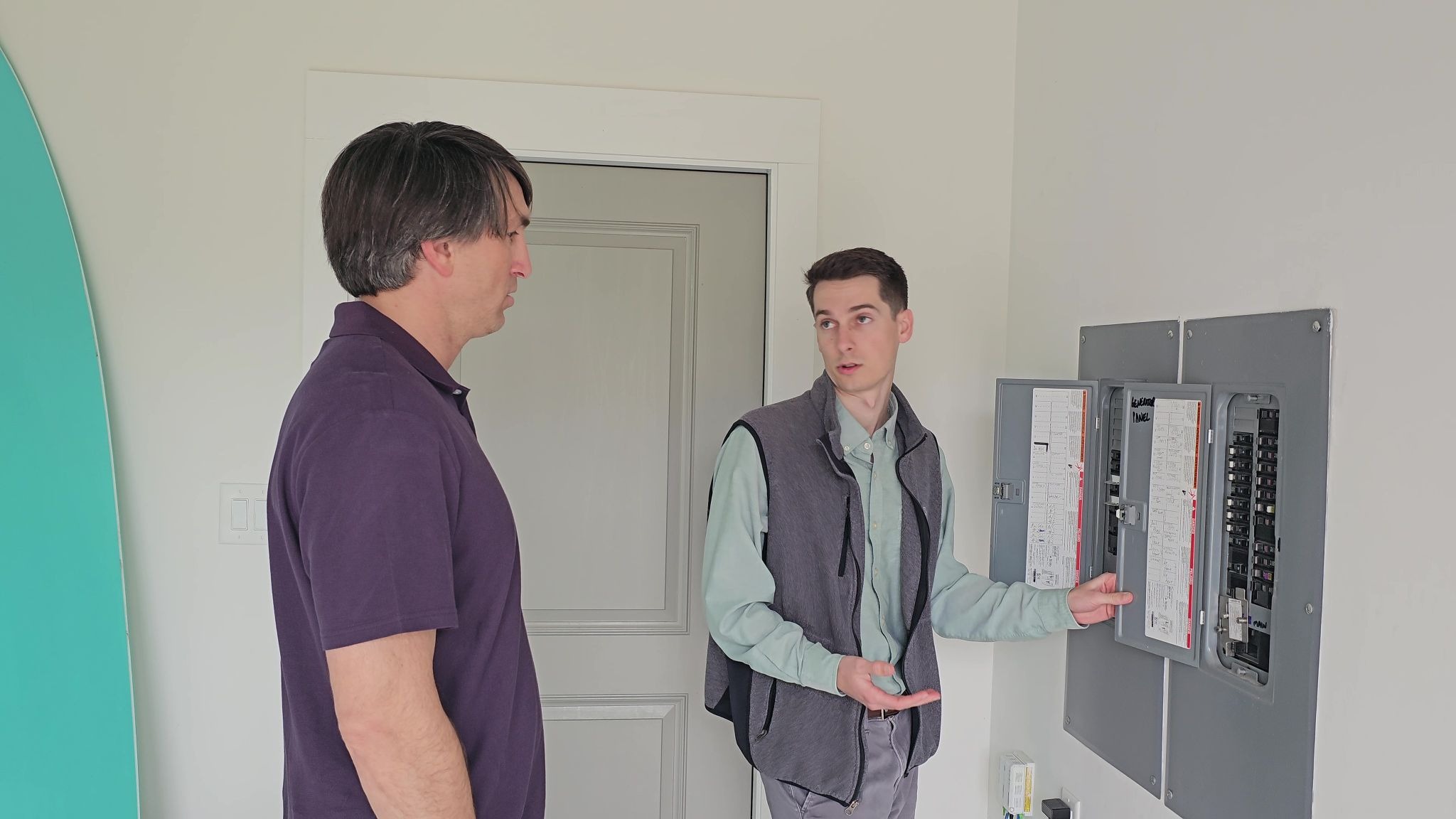
Once you know what needs to stay on, the next question is which type of backup system makes the most sense.
Battery backup may be a good fit if solar is already installed or planned, essential loads are the priority, the homeowner wants automatic backup, and outages are usually shorter. Cape Fear Energy Systems notes that home batteries can store solar energy and supply power automatically during outages.
A standby generator may be a better fit if the homeowner wants longer runtime, larger portions of the home need power, HVAC coverage is a priority, or natural gas or propane access is available. Cape Fear’s generator services focus on automatic backup power designed to keep essential home systems running when outages happen.
Some homeowners benefit from a layered system. That may mean solar, battery storage, and a standby generator working together to provide short-term automatic backup, long-duration support, and more flexibility.
Battery runtime depends heavily on what the system powers and how much energy those loads use. EnergySage explains that a typical home battery may keep essentials running for about a day, but actual runtime changes based on the appliances and devices connected to it.
If you are deciding between options, compare battery storage and generators on our blog to better understand which backup option fits your home.
Large Loads Change the Backup Power Size
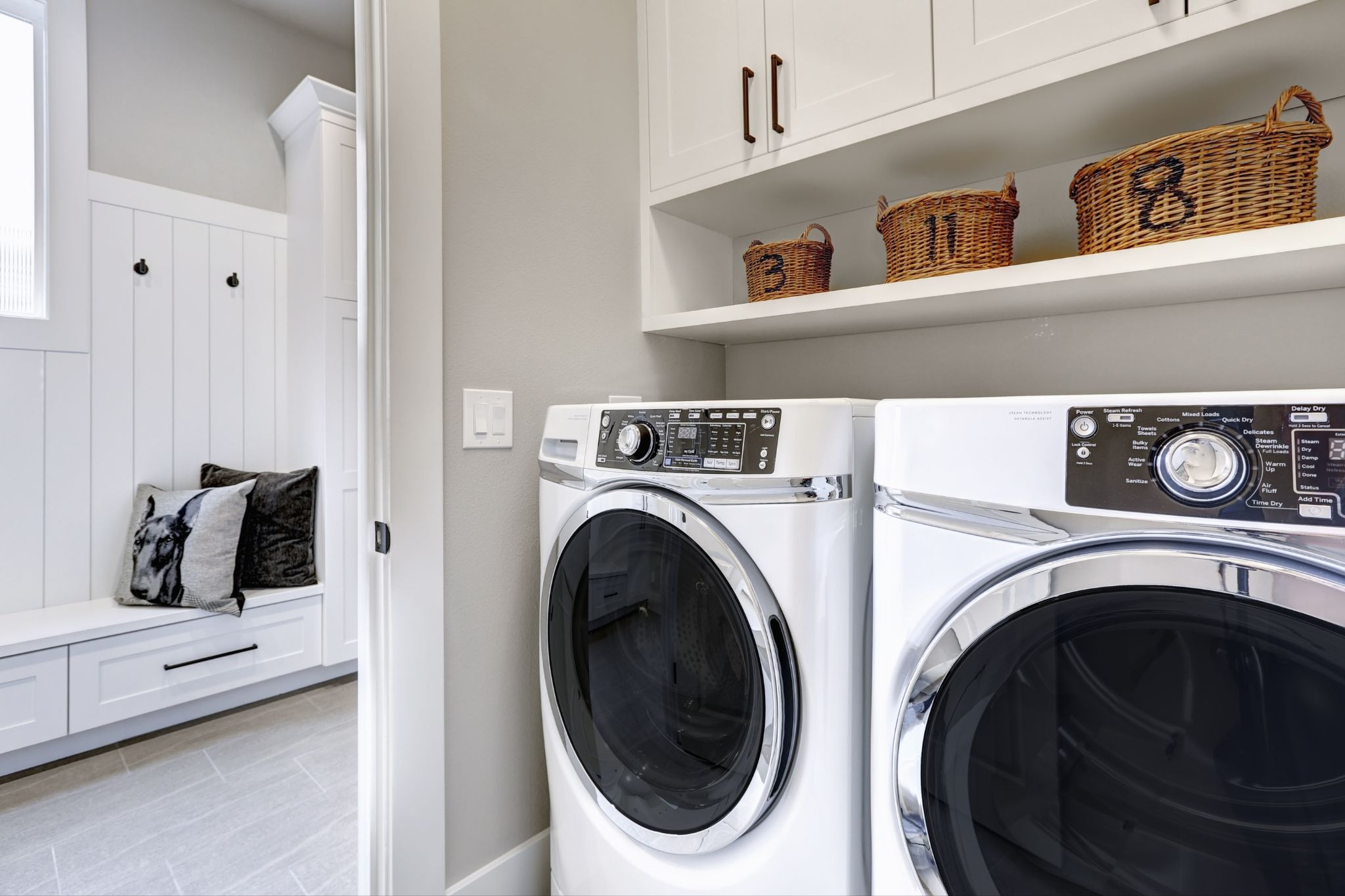
Large electrical loads can dramatically change the size of a backup power system.
A refrigerator, a few lights, and a router are very different from central air conditioning, an electric water heater, a pool pump, or an EV charger. If you want to keep larger systems running, the backup power plan needs to be designed around that expectation from the start.
Large loads may include:
- Central air conditioning
- Heat pumps
- Electric water heaters
- Ovens and ranges
- Dryers
- Pool pumps
- Well pumps
- EV chargers
This matters in the Carolinas, especially during hot, humid weather. If a homeowner wants to keep central air running during a summer outage, the system needs to be planned for that. Losing conditioned airflow for too long can affect comfort, indoor moisture, and daily routines.
It helps to be honest about what you expect during an outage. Do you just need essentials? Do you want comfort? Or do you want the house to feel as normal as possible?
Cape Fear Energy Systems offers HVAC solutions that can be considered as part of whole-home energy planning, which is helpful when cooling, humidity control, and backup power all need to work together.
Safety Should Be Part of the Plan

Backup power should be convenient, but it also needs to be safe.
Portable generators require careful placement and operation. The Electrical Safety Foundation International says portable generators should be kept at least 20 feet away from the home, should never be operated in an enclosed space, and should be kept away from doors, windows, and vents.
Standby generators and battery systems do not follow the same setup process as portable generators, but they still need to be installed by qualified professionals. Homeowners should never backfeed power through an outlet or attempt DIY electrical work.
A safe backup power plan should account for proper installation, correct transfer equipment, ventilation and placement, electrical code requirements, routine maintenance, and clear homeowner education.
The goal is not just to get power back. The goal is to get backup power in a way that protects your home, your family, and the crews working to restore the grid.
How Cape Fear Energy Systems Helps Size Backup Power
Sizing backup power is not just a math problem. It is a conversation about how your home works during an outage.
We start by reviewing the home’s electrical usage, outage concerns, and homeowner priorities. From there, the team can identify essential and optional backup loads, compare battery and generator options, consider solar compatibility, and evaluate whether electrical panel or wiring updates are needed.
That helps homeowners avoid three common problems: undersizing a system, oversizing a system, or piecing together equipment that does not work well together.
We design backup power solutions around how the home actually functions during an outage. Their consultation process starts with identifying energy goals and lifestyle habits so the system can be built around the homeowner’s needs.
Learn more about why Cape Fear Energy is the perfect partner to meet your energy needs.
The Right Size Depends on the Life You Want to Keep Running
The right backup power system is not simply the biggest battery or generator available. It is the system that fits your home, outage risk, comfort needs, and daily routines.
Some homes only need essential-load backup. Others need whole-home generator support or a layered system with solar, batteries, and standby power. The smartest first step is deciding what needs to stay on, how long it needs to run, and how much control you want when the grid goes down.
Not sure what size backup power system your home really needs? Cape Fear Energy Systems can help you compare battery backup, standby generators, and whole-home energy options designed around your home in North Carolina or South Carolina.
Request a quote online to start building a backup power plan that fits your life, not just your electrical panel.