After the third time sitting in the dark for three days while storm cleanup stretched across the neighborhood, you decided you were done relying on luck. A whole-home standby generator is the move. The question isn't whether to do it anymore. It's what the process actually looks like so you can stop imagining it and start planning it.
Installing a standby generator involves more moving parts than buying an appliance, but it's a well-defined process when you're working with a licensed, experienced team. Permits, fuel hookup, automatic transfer switches, utility notifications: each piece has a clear role, and understanding the sequence takes most of the uncertainty out of the timeline.
Here's an honest walk-through of what to expect, from the first site visit to the day the system runs its first automatic test.
Cape Fear Energy Systems installs whole-home standby generators for homes across NC and SC, handling the complete process from assessment through commissioning.
What Does Whole-Home Generator Installation Involve?
A whole-home standby generator installation generally covers:
- Site assessment: evaluating your home's electrical system, fuel availability, and placement for the unit
- Equipment selection: sizing the generator to the loads you need to back up
- Permitting with your local municipality
- Fuel connection: natural gas hookup by a licensed contractor
- Automatic transfer switch installation: the electrical component that disconnects your home from the grid and switches to generator power during an outage
- Commissioning: a complete function test confirming the system operates as designed
- Utility notification: required in most jurisdictions, handled by your installing team
From contract to a fully commissioned system, the timeline typically runs for 2-3 months, with variation based on permit review times and equipment availability in your area.
Choosing the Right Generator for Your Home
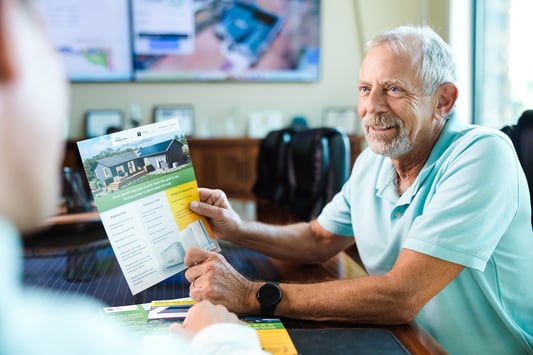
Standby generators are available in a range of sizes, from units designed to cover essential circuits to systems capable of powering an entire home including HVAC, well pumps, and EV charging. The right size depends on which loads matter most to you and how your home draws power during an outage.
A proper assessment starts with your main electrical panel and a real conversation about priorities. Do you need lights, refrigeration, and Wi-Fi? Or do you need the whole home running, including central air, through a week-long storm? Those are genuinely different systems, and sizing correctly is the most important decision in the process. If you're still weighing battery backup against a generator, our guide to backup power for coastal Carolina homes walks through how the two compare for different outage scenarios.
The Installation Process, From Assessment to First Test Run
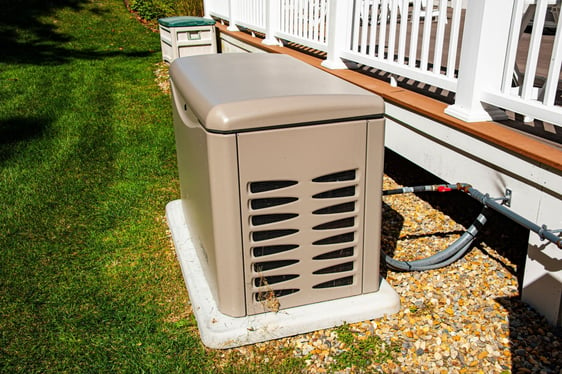
The process follows a logical sequence. After the site assessment and contract, the first stage is permitting. Your installation team helps you file the permit application with your local municipality, which typically requires separate electrical and gas permits. Permit review times vary by location, and this is often the longest variable in the overall timeline.
Once permits are in hand, installation typically happens over one or two days depending on scope. The crew sets the generator on a pre-poured concrete pad, connects the fuel supply, runs and connects the electrical wiring to the transfer switch, and integrates the transfer switch with your home's main panel. The installation closes with commissioning: a complete test cycle where the system is started, the transfer switch is verified, and automatic operation is confirmed before anyone packs up.
Plan your backup power this storm season
Let's Size the Right Generator for Your Home
Our local team handles the full process from site assessment and equipment selection through permits, installation, and commissioning. Get a free estimate and we'll show you exactly what the right backup plan looks like for your property.
Get a Free EstimatePermits, Utility Notification, and Why They Matter
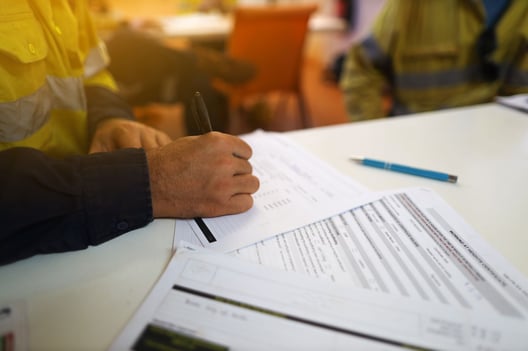
Generator installation requires permits in virtually every NC and SC municipality. The permit process confirms the installation meets local electrical and mechanical codes, and the inspection confirms it's safe before the system goes live. Homeowners who skip this step create real liability issues and can affect insurance coverage and home resale value. Our team handles permits as a standard part of every installation, not as an add-on.
The Transfer Switch: The Piece That Makes It Automatic
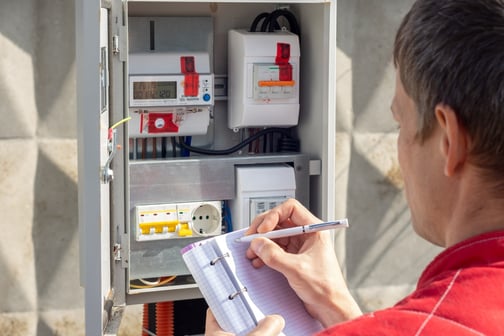
The automatic transfer switch is the component most homeowners don't think to ask about, and it's the piece that makes the system work the way you expect. When the grid loses power, the transfer switch detects it within seconds and automatically disconnects your home from the utility grid, then signals the generator to start. The generator comes online, the transfer switch connects your home to generator power, and all of this happens without you lifting a finger.
This automatic sequencing isn't just convenient. It's a safety and code requirement. The transfer switch prevents your generator from backfeeding power onto the utility grid, which protects utility workers repairing storm damage and protects your own equipment. Any installation without a properly rated automatic transfer switch is neither safe nor code-compliant. The Electrical Safety Foundation International publishes clear guidance on why proper transfer switches are essential for every homeowner using backup power.
Pairing Your Generator with Solar and Battery: Planning Ahead
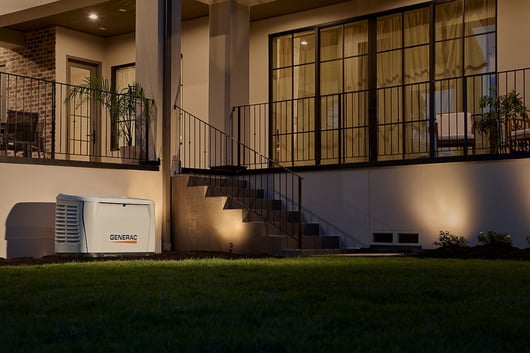
If solar or battery is part of your current or future energy plan, it's worth knowing how generators and solar interact and designing for that coordination from the start. Solar handles day-to-day production, battery provides seamless immediate backup for most outages, and the generator handles the extended events where stored capacity alone isn't enough. The three layers work together in a way that none of them achieves individually.
A generator installed without accounting for a future solar or battery addition may require additional equipment to integrate cleanly later. Our team designs with the full picture in mind from the first site assessment, which is one of the real advantages of working with a turnkey local team rather than separate contractors for each piece. If solar is part of your energy future alongside a generator, our solar page covers how we design systems that coordinate production, storage, and backup from the start.
Ready to Stop Relying on Luck This Storm Season?
A whole-home standby generator is one of the most concrete investments a Carolina homeowner can make: not because the power goes out every year, but because the cost of being unprepared when it does is real and immediate. Our local team handles the full process from assessment through the commissioning test that confirms everything works before storm season arrives.
Cape Fear Energy Systems has been serving customers across NC and SC since 2007. Local, licensed, and turnkey–which means the team that assesses your home installs your system and supports it afterward.
Your local partner in energy independence since 2007
Ready to Install a Whole-Home Generator in the Carolinas?
Cape Fear Energy Systems installs whole-home standby generators, battery storage, and solar for homes and businesses across NC and SC. Turnkey, licensed, NABCEP-certified, never subcontracted, with a 25-year workmanship warranty.
Get a Free Estimate