Solar systems are designed to run quietly in the background. Most days, you probably do not think much about your panels unless you are checking your monitoring app, reviewing your electric bill, or comparing today’s production to yesterday’s.
So when your solar system starts producing less power than expected, it can feel concerning.
The good news? Lower production does not always mean something is wrong. Solar output naturally changes based on weather, seasons, shade, debris, monitoring connections, equipment communication, and even how much energy your household is using.
For homeowners across North Carolina and South Carolina, the key is knowing what is normal, what is worth watching, and when it is time to call a professional. Cape Fear Energy Systems designs solar systems for homes across North Carolina and South Carolina with long-term performance in mind, and that includes helping homeowners understand how their systems should perform over time.
Online solar tools are helpful starting points, but the Department of Energy recommends working with a solar installer for a custom estimate of how much power your solar energy system is likely to generate.
What Does “Full Production” Actually Mean?
Many homeowners compare today’s solar production to their system’s best day. That is understandable, but it can also make normal changes look like problems.
Your solar system will not produce the exact same amount of power every day. Even a well-designed, properly working system will shift based on sun exposure, temperature, weather, and the time of year.
Production can change because of:
- Time of year
- Sun angle
- Cloud cover
- Temperature
- Roof orientation
- Shading
- Utility interruptions
For example, a clear spring day may look different from a hot, humid summer day. A bright winter day may still produce less than a long summer day because there are fewer daylight hours. A partly cloudy week may make production look inconsistent even if the system is working exactly as it should.
The better question is not, “Did my system match its best day?” It is, “Is my system performing within its expected range over time?”
That is where monitoring data becomes useful. Instead of focusing on one low day, look at patterns across several days, weeks, or months. NREL’s PVWatts tool estimates solar energy production based on location and system details, which can help homeowners better understand why production expectations vary by home.
Common Reasons Solar Production Drops
A dip in solar production can happen for several reasons, and many of them are not equipment failures.
Seasonal sunlight changes are one of the most common reasons. Longer summer days often produce more energy, while shorter winter days usually produce less. Even if your panels are clean and your system is working well, your output will still follow the rhythm of the seasons.
Cloud cover and storms can also lower production. Solar panels still work in cloudy weather, but output usually drops during dark, rainy, or stormy conditions. Here in the Carolinas, fast-moving weather can make production look uneven from one day to the next.
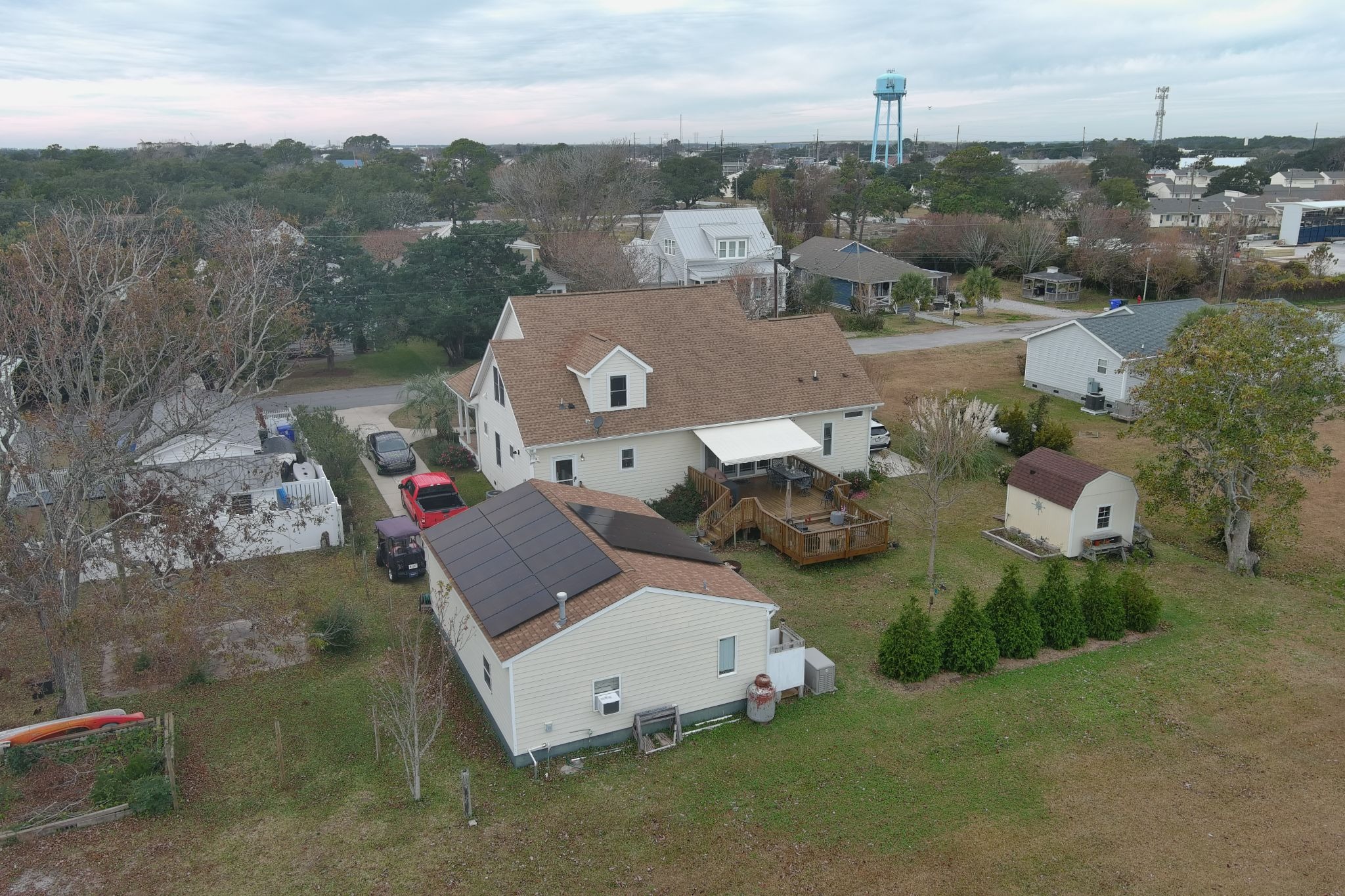
Shade changes are another big factor. Tree growth, new construction, or seasonal leaves can reduce sunlight on certain parts of your roof. Even partial shade can affect the way some systems produce power.
Debris or buildup may also be part of the issue. Pollen, leaves, pine needles, dust, bird droppings, salt air, and storm debris can block sunlight from reaching the panels. This is especially worth watching after heavy storms or during high-pollen seasons.
Sometimes, the issue is not production at all. It may be equipment communication. Your system could be producing power, but the app, Wi-Fi, inverter, or monitoring connection may not be reporting correctly. If your monitoring app suddenly looks strange or says the system is offline, it does not always mean the panels stopped working.
This is why it helps to understand the basics: photovoltaic cells convert sunlight directly into electricity. Anything that blocks, reduces, or misreports that sunlight-to-energy process can affect what you see in your monitoring data.
For more homeowner-friendly guidance on solar performance, backup power, and home energy planning, explore our blog.
When Lower Production Might Be a Real Problem
A single low-production day is usually not a reason to worry. Weather changes, clouds move through, and apps occasionally glitch. One odd day is not enough to assume your system needs repair.
What matters more is the pattern.
Homeowners should pay attention if:
- Production is lower for several clear, sunny days in a row.
- The system shows alerts or offline messages.
- One panel or section is consistently behind the rest.
- Production does not rebound after storms or cloud cover pass.
- Monthly totals are far below the same month from previous years.
- Energy bills rise even though household usage has not changed.
These signs do not automatically mean there is a major issue, but they are worth checking. The cause could be weather-related, usage-related, equipment-related, or something as simple as a monitoring connection that needs attention.
If your system continues producing less than expected or your monitoring app shows an alert, request solar service so the issue can be reviewed safely and correctly.
Your Home May Be Using More Energy Than It Used To
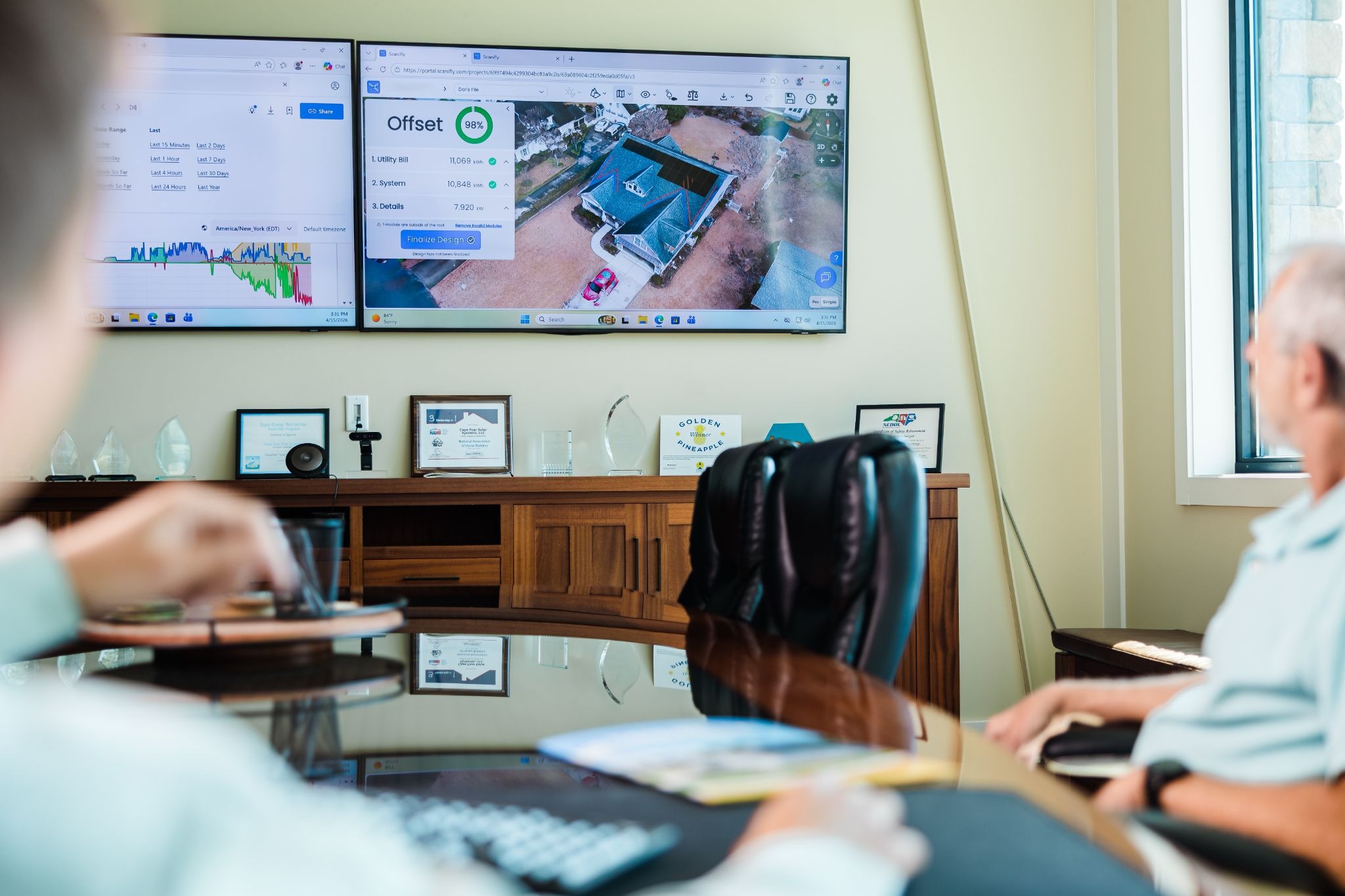
Sometimes the solar system is producing normally, but the home is using more power than before.
This is easy to overlook because your solar monitoring app may only tell part of the story. If your household energy use increases, your electric bill may rise even if your solar panels are still doing their job.
Common reasons energy use increases include:
- Running HVAC more often during hot Carolina summers
- Adding an EV charger
- Installing a pool or hot tub
- Building a home addition
- Having more people working from home
- Upgrading or adding appliances
This is especially important for homeowners who went solar before adding major electrical loads. A system designed for your home three years ago may not fully offset your current usage if you have added an electric vehicle, a larger HVAC load, or new equipment.
In that case, the issue may not be solar production. It may be that your home’s energy needs have grown.
If your household energy use has increased because of an electric vehicle, explore EV charging solutions that can be planned alongside solar. Planning these systems together can help homeowners make smarter decisions about energy use, convenience, and long-term performance.
What to Check Before Calling for Service
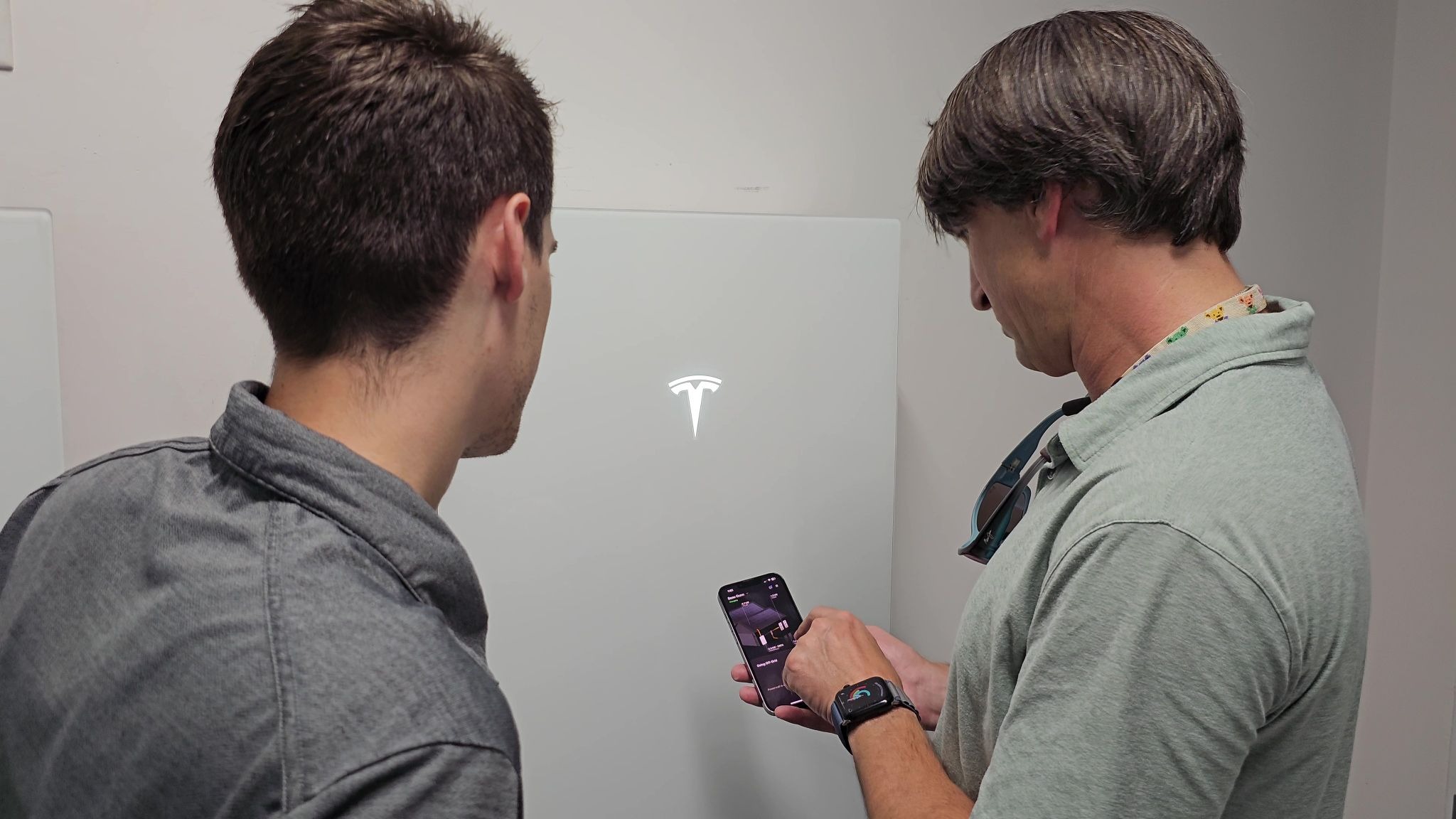
Before submitting a service request, it helps to gather a little information. You do not need to climb on the roof or touch electrical equipment. In fact, you should not. But there are a few safe steps you can take from the ground or from your monitoring app.
Start by checking your monitoring app for alerts, offline messages, or unusual system status updates. Then compare production across several days instead of focusing on one low number.
Think about recent weather, too. If the past few days have been cloudy, rainy, smoky, stormy, or unusually hot, production may be lower for normal reasons. From the ground, you can also look for obvious shading, fallen branches, heavy pollen, or debris.
If your system uses Wi-Fi monitoring, confirm that your home internet is working. A connection issue can make the system appear offline even when production is still happening.
It also helps to review whether your household energy use has recently changed. A new EV charger, extra HVAC use, guests in the home, or a new appliance can all affect what you see on your utility bill.
Before calling, take screenshots of alerts or unusual production data. That information can help the service team understand what you are seeing and where to start.
Most importantly, do not climb on the roof or attempt electrical repairs. Solar systems involve electrical components that should only be handled by trained professionals.
Cape Fear Energy Systems supports homeowners beyond installation with local service and system expertise, so if the issue continues, it is always better to ask for help than to guess.
Look at the Full Picture Before Assuming the Worst
Lower solar production does not always mean something is wrong.
Weather, seasons, shade, debris, equipment communication, and household energy use can all affect what homeowners see in their monitoring app or on their electric bill. The best next step is to compare production trends, check for alerts, and think about whether your home’s energy needs have changed.
If your solar system is not producing enough power for several clear days in a row, or if your app is showing alerts, Cape Fear Energy Systems can help you sort out what is normal and what needs attention.
Not sure why your solar system is producing less power than expected? We can review your system, troubleshoot performance concerns, and help you understand what is happening.
Submit a service request or contact Cape Fear Energy Systems for expert support.