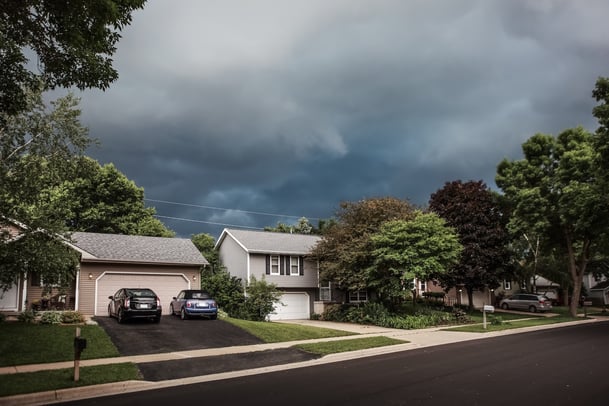
A storm rolls through overnight, and the next morning you're out in the yard picking up branches. You glance up at your panels and realize you have no real way to tell from the ground whether they came through fine, or whether you're looking at something that needs solar panel repair.
Most of the time, panels that look fine from the ground are fine. But there are specific signs worth knowing: cracked glass, chewed wiring, storm debris, and production that doesn't bounce back the way it should. Knowing what to watch for can save you from both unnecessary worry and ignoring something real.
Cape Fear Energy Systems designs solar panel systems built to hold up to Carolina weather from the start, and we service systems across the region, including plenty we didn't install. Here's how to tell normal from a real problem, what causes most solar damage around here, and when it's worth having someone take a closer look.
Quick Answer: How Do I Know If My Solar Panels Need Repair?
A few signs are worth paying attention to:
- Visible cracks, chips, or discoloration on the panel glass
- Storm debris on the array, dents, or panels that look shifted out of alignment
- Signs of animal activity, like nesting material or wiring pulled loose near the panels
- A drop in production that doesn't recover once the weather clears
- An error message, offline alert, or one section of the array consistently lagging the rest in your app
- Scorch marks, a burning smell, or visible damage to conduit or electrical equipment, which calls for immediate professional attention rather than a wait-and-see approach
One odd day is rarely a problem. A pattern that holds across several clear days, anything visibly damaged, or any sign of an electrical issue is worth a professional look.
What Normal Looks Like, So You Can Spot What Isn't
Every solar system produces a little less as it ages. That's expected, and the industry actually puts numbers to it. According to EnergySage, a panel's power or performance warranty "often guarantees at least 90% production at 10 years and 80% at 25 years."
That gives you a rough sanity check. A gradual decline over many years can be completely normal. What gets more attention is a system that was producing normally and then suddenly drops without an obvious explanation.
The other thing worth ruling out before you assume something is wrong with the panels is your own energy use. If you added an EV charger, put in a pool, or spent the summer running the AC harder than usual, your electric bill can climb even while the solar system is producing normally. Your bill and your solar production are related, but they're not the same measurement.
If you want a refresher on how all the pieces fit together, start with our guide to how solar works.
After a Storm: What to Look For and What to Leave Alone
Here's the reassuring part: panels are tougher than they look. Before they're sold, they go through hail durability testing that, as the Department of Energy describes it, includes shooting ping-pong-ball-sized ice balls at PV modules at about 70 miles per hour.
Real storms back that up. When a severe hailstorm hit the National Renewable Energy Laboratory's campus in Colorado, more than 3,000 panels were in the storm's path. According to DOE, the post-storm inspection found just one broken panel.
So if you're standing in the yard after a Carolina thunderstorm wondering whether your panels just took a beating, the odds are generally in your favor.
What's worth checking from the ground is mostly what's around the panels: limbs or debris resting on the array, panels that look shifted or lifted at an edge, visible cracked glass, or water staining near roof penetrations. After a tropical system in particular, it's worth a walk around the house to see what the wind moved.
Do not climb up for a closer look, and do not touch or open electrical equipment, especially where water may have gotten in. A solar array is still electrical equipment, and the Electrical Safety Foundation recommends that water-damaged electrical equipment be evaluated by qualified electricians.
Not sure if it's damage?
Have Your Solar System Checked by Our Local Team
If you're seeing cracked panels, storm debris, or production that isn't bouncing back, our team can take a closer look and tell you what's actually going on. We service systems across the Carolinas.
Submit a Service RequestThe Damage You Won't Spot From the Driveway
Not everything that goes wrong comes from the sky. Wildlife is a steady, quiet source of solar damage in wooded and coastal neighborhoods alike.
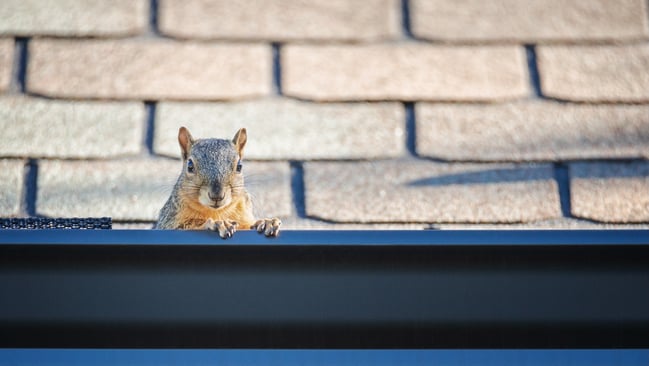
EnergySage notes that squirrels sometimes nest beneath rooftop panels and chew exposed wiring, while birds can nest under and around arrays and leave behind debris that affects the system over time.
None of that necessarily announces itself. You may first notice a production dip, an alert in your monitoring app, or signs of activity once someone gets a closer look at the array. Pine needles and leaf litter collecting in the gap between the panels and roof can be part of the same story, and in our part of the state there's plenty of both.
Critter guards are one preventive option, and they're one of the services we install on existing systems.
It's also a reminder that a real system check looks at more than the panels. If your home pairs solar with battery storage, the panels, inverter, wiring, rapid shutdown equipment, monitoring, and storage all need to work together as one system. Sometimes what looks like a panel problem turns out to be happening somewhere else in that chain.
Cracked Panel? Your Warranty May Matter More Than You Think
If something is genuinely damaged, the next question is what the warranty actually covers.
Product warranties generally apply to defects or problems with the equipment itself. Product warranties cover the integrity of the equipment and may apply when a solar panel has a defect, mechanical issue, fracture, or unreasonable wear.
The part homeowners sometimes overlook is labor. EnergySage notes that "most manufacturers don't reimburse for the labor associated with replacements or repairs of their products," and when they do, reimbursement may be limited. That means a piece of equipment may qualify for warranty coverage while some of the work involved in diagnosing, removing, or replacing it is treated separately.
That's why it's worth understanding both the manufacturer's warranty and the workmanship coverage behind the installation.
We back our work with a 25-year workmanship warranty, and our NABCEP-certified team handles inspection and repair in-house with no subcontractors, whether we originally installed your system or another company did.
If the company that installed your system is no longer around, that's a situation we see regularly and can help with.
Let's Make Sure Your System's Doing Its Job
A little wear doesn't mean something's wrong, and one strange day usually doesn't either. Check your monitoring app for alerts, compare production across several clear days rather than one, and take a look from the ground after any serious storm.
But you shouldn't have to guess from the driveway. If something looks off, if production isn't bouncing back, or if your system hasn't been looked at in a while, our local team can take a proper look and tell you whether anything actually needs fixing.
Your local partner in energy independence since 2007
Let's Make Sure Your Solar System Is Doing Its Job
Our NABCEP-certified, in-house team has serviced solar systems across the Carolinas since 2007. If something looks off, we're here to help you sort it out.
Submit a Service Request