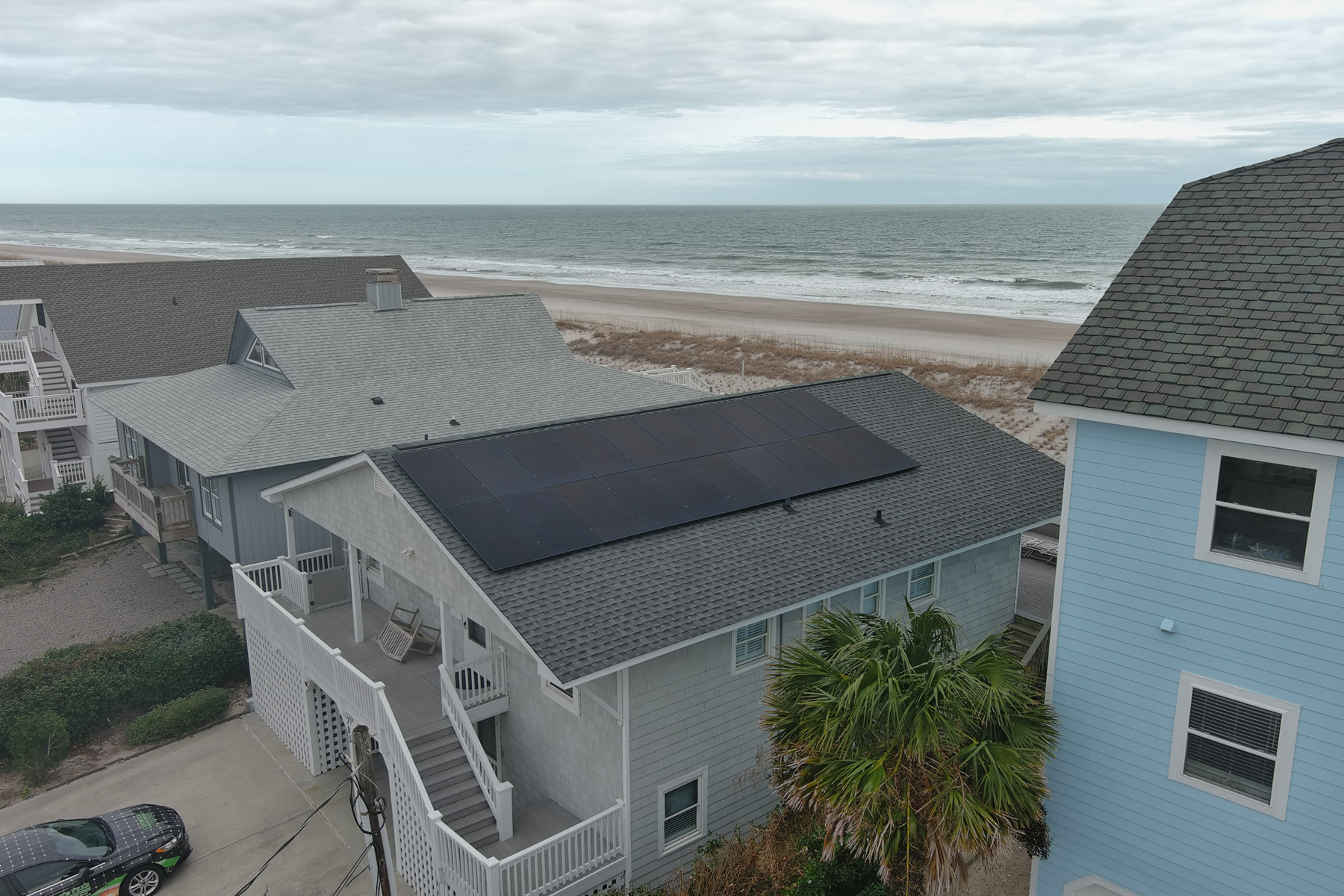
Solar panels are designed to work quietly and consistently in the background, producing energy day after day with very little hands-on attention.
But today’s homeowners want more than just passive performance, they want visibility.
Modern solar monitoring apps make it easy to see exactly how your system is performing at any given moment. Instead of waiting for a utility bill or guessing how much energy you’re producing, you can track real-time output, understand usage patterns, and see how your system performs over time.
These tools turn your solar system into something more interactive to give you a clear, simple way to stay connected to your energy production while getting the most value from your investment.
What is a Solar Monitoring App?
A solar monitoring app connects directly to your inverter system and displays real-time energy production data for your home. It allows homeowners to see production data at the individual panel levels
Through a monitoring app, homeowners can typically view:
- Daily solar energy production
- Monthly and annual generation trends
- Lifetime energy production
- System alerts and performance notifications
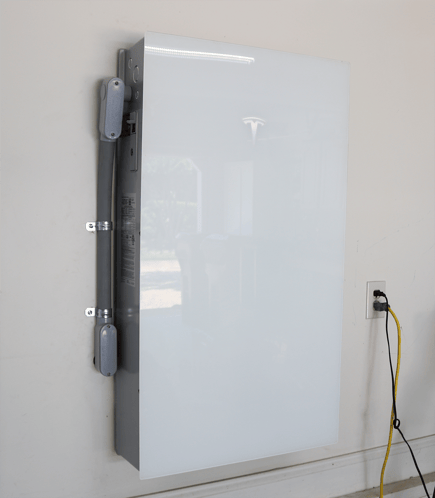
Many solar battery systems also include integrated monitoring platforms. For example, Tesla Powerwall 3, FranklinWH aPower 2, and Generac PwrCell 2 all provide apps that show battery performance alongside solar production.
According to the U.S. Energy Information Administration’s residential electricity rate data, electricity prices have steadily increased in recent years, making the ability to track and optimize solar production even more valuable for homeowners.
Cape Fear Energy Systems designs solar systems built for the coastal Carolinas that integrate monitoring tools so homeowners can clearly see how their systems perform in real-world conditions.

Panel-Level Monitoring vs. Basic System Monitoring
Not all solar monitoring works the same way.
Some systems provide only system-level monitoring, which shows the total energy produced by the entire array.
More advanced systems, like those using microinverters, offer panel-level monitoring, allowing homeowners to see how each individual panel performs.
Panel-level monitoring can reveal issues such as:
- A single panel producing less energy than others
- Shading from nearby trees or structures
- Debris or salt buildup affecting one section of the roof
In coastal environments, conditions such as wind-blown debris or salt accumulation may affect certain panels more than others. Panel-level monitoring makes it much easier to identify and resolve these issues quickly.
Understanding production transparency is also part of determining whether solar is a good fit for your home. You can learn more about system expectations on the Is Solar Right For Me? page.
According to the U.S. Department of Energy’s Solar Photovoltaic Technology Basics guide, solar panels generate electricity from sunlight rather than heat, which is why systems can continue producing energy even during cooler or cloudy conditions.
How Monitoring Apps Help You Track Energy Production
One of the biggest benefits of solar monitoring is visibility.
Monitoring apps answer common questions homeowners have about their solar systems:
- How much energy did my system produce today?
- Why was production lower this week?
- Are seasonal weather changes affecting output?
Solar production naturally varies throughout the year as daylight hours and sun angles change across North and South Carolina. Monitoring apps help homeowners understand these seasonal patterns rather than worrying when production fluctuates.
This transparency builds confidence that the system is performing correctly over the long term.
How Solar Monitoring Helps Spot Problems Early
Solar monitoring apps can also act as an early warning system.
Many platforms send alerts when system performance changes unexpectedly. These notifications help homeowners identify problems quickly before they affect long-term production.
Monitoring systems can detect issues such as:
- Debris accumulation after storms
- Salt buildup on coastal rooftops
- Inverter communication issues
- Grid interruptions
- Individual panel underperformance
Early detection helps prevent extended production losses.
This is particularly important in storm-prone areas such as Wrightsville Beach, Carolina Beach, Oak Island, Topsail Beach, Southport, Myrtle Beach, Charleston, Raleigh, Apex, and Cary.
Cape Fear Energy Systems highlights real-world installations and performance data on our Featured Projects page, showing how monitoring tools support long-term system performance.
Industry research, such as the RatedPower 2026 Global Renewable Energy Trends Report, also highlights the increasing role of predictive maintenance technology in renewable energy systems, allowing problems to be detected before system failures occur.
Battery Monitoring: What Homeowners Can See
If your solar system includes battery storage, monitoring apps can provide even more detailed information about your home’s energy use with consumption monitoring and backup power readiness.
For example:
Tesla Powerwall 3 monitoring shows:
- Current battery charge level
- Grid outage events
- Backup usage history
Franklin aPower 2 monitoring displays:
- Energy independence tracking
- Load management performance
Generac PwrCell 2 monitoring provides:
- Backup readiness indicators
- Smart energy prioritization data
For homeowners across the coastal Carolinas, battery monitoring is especially valuable during hurricane season or unexpected outages.
Monitoring ensures homeowners are prepared for unexpected outages; you can learn more about these storage options on our Backup Power page.
Why Professional Installation Makes Monitoring More Accurate
Monitoring systems only work well when they are installed and configured correctly.
Professional solar installers ensure that:
- Inverter communication systems are properly configured
- Monitoring apps connect reliably to home networks
- Production data is accurate and easy to interpret
Microinverter systems provide deeper diagnostic capabilities, but they must be set up correctly to ensure homeowners receive accurate alerts and performance data.
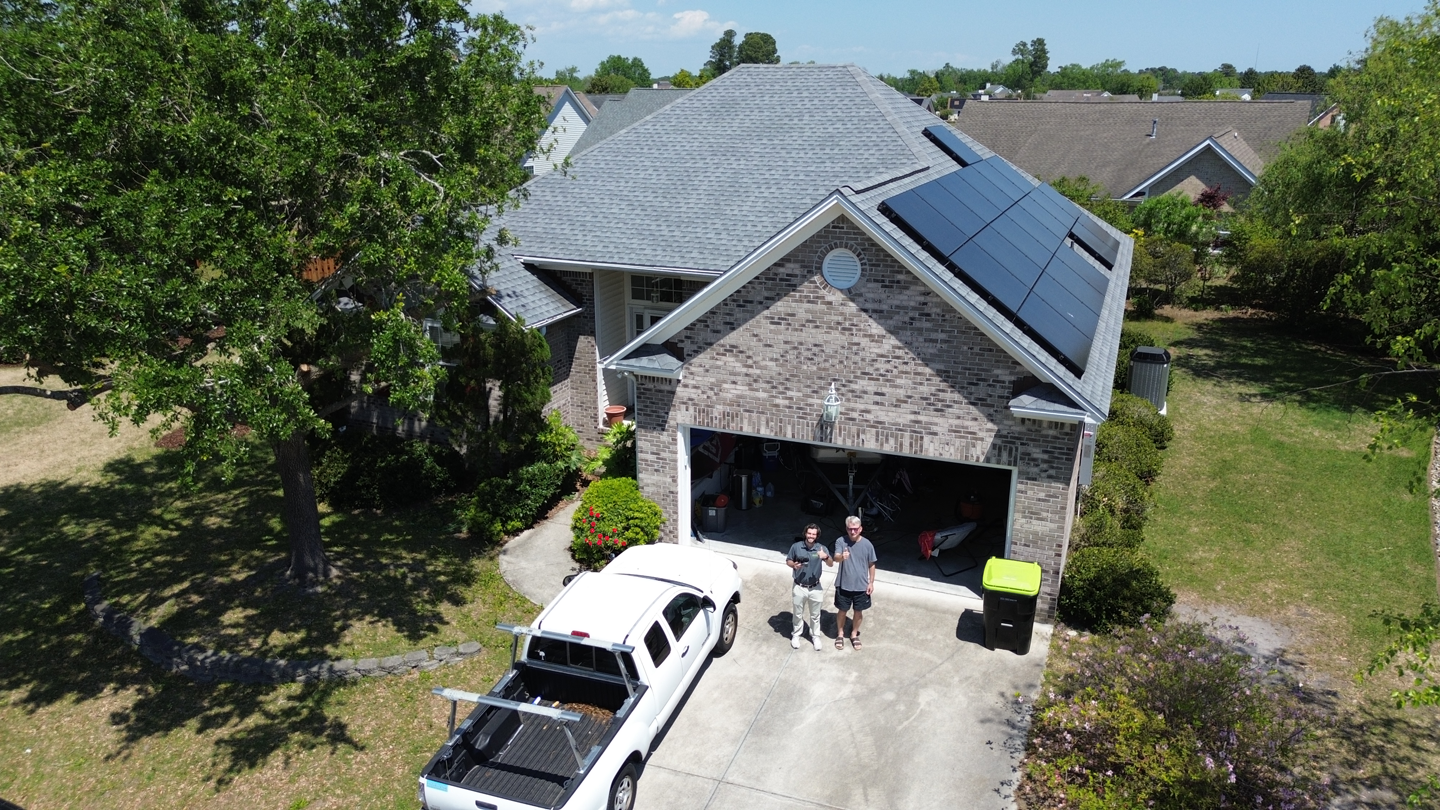
As a Wilmington-based installer, Cape Fear Energy Systems has the local expertise needed to configure monitoring systems for the coastal environment. Learn more about our approach.
Monitoring Protects Your Solar Investment
Solar monitoring gives homeowners visibility, control, and peace of mind.
Real-time production tracking ensures that your system continues delivering the energy savings you expect. Alerts help identify small issues before they grow into larger performance problems.
In a coastal climate where weather conditions can change quickly, monitoring is not just a convenience; it is protection for your solar investment.
If you’re considering solar or want a system designed with advanced monitoring and battery integration, Cape Fear Energy Systems can design a system specifically for homes across the coastal Carolinas.
Get an online estimate or contact Cape Fear Energy Systems to schedule a solar consultation and take control of your home’s energy production with real-time monitoring you can trust.