When homeowners look back on their solar installation, the feedback is often surprisingly consistent.
Not regret, but clarity.
Many say they’re glad they took time to plan properly, ask the right questions, and think beyond just the upfront cost.
Solar is a long-term investment that affects your roof, electrical system, monitoring tools, and future energy needs. The homeowners who feel most confident after installation are the ones who approached it with a full-picture mindset.
At Cape Fear Energy Systems, consultations are designed to guide homeowners through these decisions upfront so systems are built to perform not just today, but for decades.
If you’re considering solar for your home, taking a thoughtful approach early helps ensure your system aligns with your long-term goals.
1. “I’m So Glad I Planned for Future Energy Needs.”
One of the most common things homeowners say after going solar is how valuable it was to think ahead.
Energy usage rarely stays the same. Many homeowners add new electrical demands within a few years, such as:
- Electric vehicle chargers
- Home additions
- Pool systems
- HVAC upgrades
By planning for these changes during the initial system design, homeowners avoid the need for costly expansions later.
Cape Fear Energy Systems designs solar systems that account for future additions like EV charging and increased household energy use, helping homeowners maximize long-term savings from day one.
Planning ahead turns solar into a scalable solution, not a limited one.
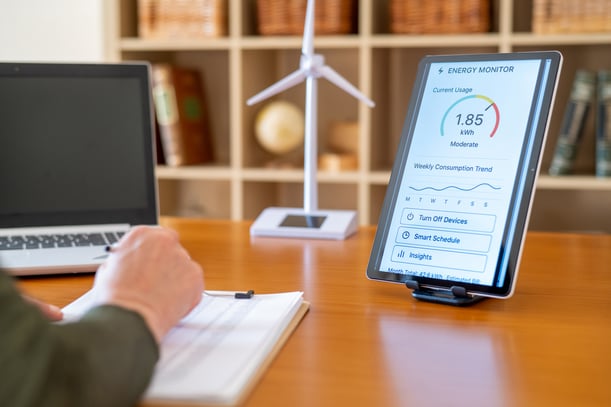
2. “Monitoring Gave Me Total Confidence in My System.”
Many homeowners are pleasantly surprised by how much they value their solar monitoring app.
Monitoring provides real-time visibility into:
- Daily solar production
- Panel-level performance
- Long-term generation trends
- System alerts and diagnostics
In coastal areas where weather patterns shift quickly, this level of insight helps homeowners understand exactly how their system is performing throughout the year.
Panel-level monitoring is especially valuable because it can detect small issues before they affect overall production.
According to the Solar Energy Industries Association’s residential solar market analysis, modern solar systems increasingly integrate advanced monitoring and energy management software as a standard feature of residential installations.
Instead of guessing, homeowners can see their system working in real time, and that transparency builds long-term confidence.
3. “Battery Storage Made Storm Season Easier.”
Many homeowners only consider battery storage after experiencing their first power outage with solar.
Standard grid-tied solar systems automatically shut off during grid outages for safety reasons. Without battery storage, solar panels cannot provide power to the home during an outage.
Battery systems allow homeowners to:
- Store solar energy for nighttime use
- Maintain essential power during outages
- Increase energy independence
This is especially important in coastal regions where hurricanes and severe storms can disrupt the power grid.
Cape Fear Energy Systems installs battery backup systems, including Tesla Powerwall 3, Franklin aPower 2, and Generac PwrCell 2, that are designed for coastal resilience.
Planning for battery storage upfront ensures seamless integration and better long-term performance.
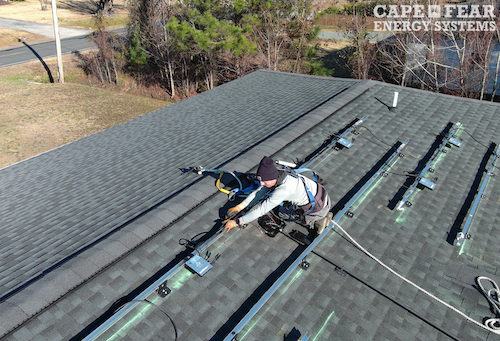
4. “Choosing the Right Installer Made a Huge Difference.”
Homeowners consistently note that not all solar installations are equal, and that choosing the right team matters.
High-quality installation impacts:
- Roof integrity and longevity
- Wind resistance in coastal environments
- Electrical system performance
- Long-term reliability of the system
Coastal conditions introduce additional challenges such as humidity, salt air, and high wind exposure. Systems must be designed and installed with these factors in mind.
Cape Fear Energy Systems serves homeowners throughout North Carolina and South Carolina with systems engineered for coastal conditions to ensure durability and performance over time.
The difference is not just in the equipment. It’s in how the system is designed and installed.
5. “I’m Glad We Evaluated The Roof First.”
Solar panels are designed to last 25+ years, so the condition of the roof beneath them is critical.
Homeowners who evaluate their roof before installation avoid future complications such as:
- Needing to remove and reinstall panels
- Unexpected roofing costs
- Structural concerns after installation
A proper roof assessment ensures the system and roof will perform together for decades.
The National Roofing Contractors Association recommends a professional roof inspection before installing solar to ensure the roof and solar mounting system can perform together for decades.
Taking this step early helps protect both the home and the solar investment.
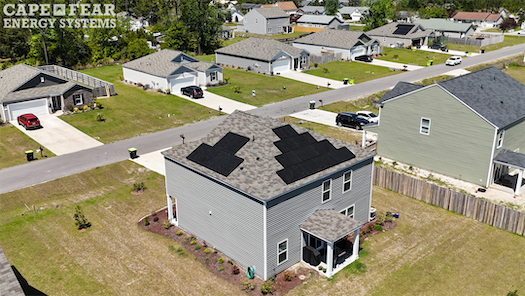
6. “Understanding the Numbers Helped Set Real Expectations.”
Solar is a powerful way to reduce energy costs, but homeowners who are happiest with their systems are the ones who understand how it works over time.
Solar production varies based on:
- Season
- Weather patterns
- Daylight hours
This means energy output fluctuates throughout the year. Some months may produce excess energy, while others rely more on the grid.
Monitoring tools help homeowners track these patterns and understand their long-term energy offset.
Cape Fear Energy Systems showcases real-world installations on our Featured Projects page, demonstrating how thoughtful system design leads to reliable energy offset for coastal homeowners.
Clear expectations lead to better long-term satisfaction.
7. “Local Experience Really Matters Here.”
One of the strongest pieces of feedback from homeowners is how important local expertise is.
Coastal North and South Carolina present unique conditions, including:
- High humidity
- Salt-air corrosion exposure
- Storm-driven wind loads
- Hurricane resilience planning
Installers familiar with the region understand how to design systems that withstand these conditions.
The North Carolina Sustainable Energy Association highlights that advancing consumer protection is a top priority, emphasizing that homeowners should choose installers who adhere to rigorous local safety and quality standards.
Local expertise ensures systems are built to last, not just built to work.
Key Takeaways Before Going Solar
Homeowners who feel most confident after going solar tend to share a few common decisions:
- Planning for future energy usage
- Considering battery storage early
- Evaluating roof condition before installation
- Choosing monitoring systems with advanced monitoring
- Working with installers familiar with coastal environments
These decisions create a system that performs reliably and adapts to changing needs over time.
_Watermarked.png?width=525&height=394&name=DJI_0041%20(1)_Watermarked.png)
The Best Solar Experience Starts With the Right Plan
Solar remains one of the most impactful upgrades a homeowner can make for long-term energy stability. The difference between a good experience and a great one often comes down to planning.
When system design accounts for your roof, electrical capacity, future energy needs, and coastal conditions, solar becomes a long-term solution, not just a short-term upgrade. At Cape Fear Energy Systems, consultations are designed to help homeowners make informed decisions from the start.
Get an online estimate or contact Cape Fear Energy Systems to design a solar system built for long-term performance across the Carolinas.