Project Snapshot
- System Size: 27.7 kW
- Panels: 61
- Annual Production: 35,448 kWh
- Estimated 30-Year Savings: $146,615
- Primary Objective: Reduce operating expenses and support long-term community outreach
The Client & Operational Context
NourishNC is a Wilmington-based nonprofit organization focused on providing food assistance to children and families throughout the Cape Fear region. As demand for services continued to grow, leadership sought ways to reduce operational expenses and improve long-term budgeting stability so that more organizational resources could be directed toward community programs.
At the same time, the organization wanted the project to reflect its broader commitment to stewardship and responsible community leadership. Solar energy presented an opportunity to reduce utility costs while reinforcing NourishNC’s mission-driven approach to serving the region.
The Challenge
The project needed to deliver meaningful operational savings while remaining financially accessible for a nonprofit organization. Identifying available funding opportunities and incentive programs was essential to making the installation feasible.
In addition, the system needed to integrate seamlessly into the organization’s day-to-day operations without disrupting food distribution, volunteer coordination, or community outreach activities.
The Strategy
Long-Term Cost Reduction
The solar system was designed to offset electricity usage and create more predictable long-term operating expenses for the organization.
Incentive Optimization
Utility rebate programs were incorporated into the project to reduce upfront costs and improve overall financial feasibility.
Mission-Aligned Sustainability
The installation was positioned as both a financial and community stewardship initiative, aligning renewable energy adoption with the organization’s broader mission of service and responsibility.
Resource Reallocation
Reducing utility expenses allowed more operational funding to be redirected toward programs that support families and children throughout the Cape Fear region.
The Solution
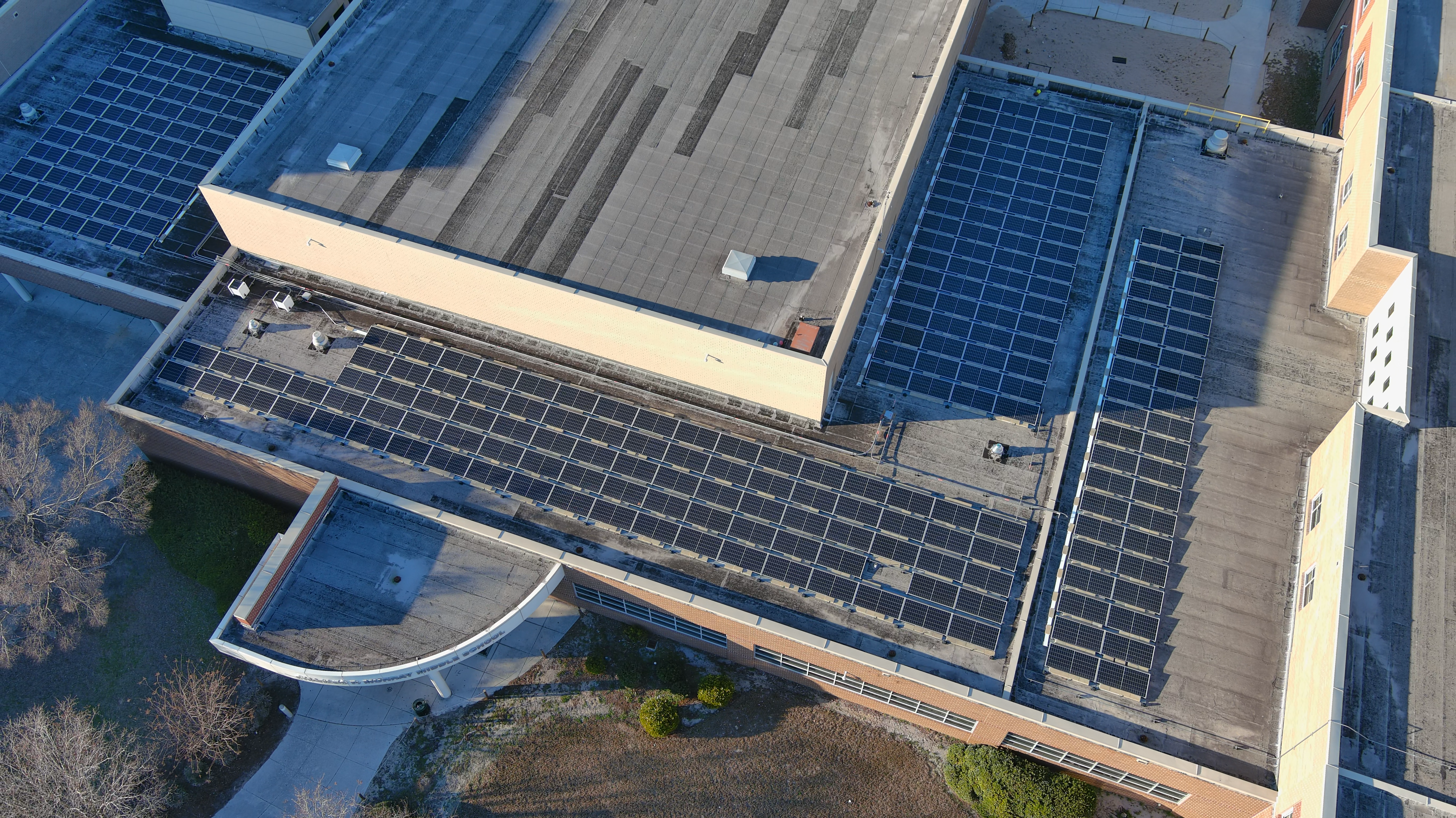
The final installation included a 27.7 kW rooftop solar array composed of 61 high-efficiency solar panels generating approximately 35,448 kWh annually.
The system now helps offset a portion of NourishNC’s operational electricity usage while supporting the organization’s long-term financial sustainability goals. Through utility rebates and strategic system design, the installation was implemented in a way that maximized both energy savings and nonprofit impact.
The Results
Financial Impact
The solar installation is projected to generate approximately $146,615 in energy savings over 30 years, reducing long-term operational expenses and improving budget predictability.
Operational Impact
Lower utility costs allow NourishNC to redirect more organizational resources toward feeding families and supporting food assistance programs across the Cape Fear region. The system integrates seamlessly into daily operations without affecting program delivery.
Community Impact
The project reinforces NourishNC’s role as a responsible community leader by demonstrating how nonprofits can combine sustainability initiatives with direct social impact. By lowering operational expenses through renewable energy, the organization can expand its ability to serve children and families in need.System Performance Snapshot
- 27.7 kW rooftop solar array
- 61 solar panels
- 35,448 kWh annual energy production
- $146,615 projected 30-year savings
- Utility rebate-supported installation
Why It Matters
This project demonstrates how renewable energy can strengthen nonprofit organizations by reducing operational costs and increasing long-term financial flexibility. For mission-driven organizations like NourishNC, lower utility expenses can directly translate into greater community impact.
The installation also highlights how clean energy investments can support both environmental stewardship and social responsibility, creating benefits that extend far beyond the facility itself.
.jpg)